Detailed Reichstag History: From Ruins to Renaissance

A symbol of democracy and a monument that’s withstood the test of time, the Reichstag has endured centuries of events that shaped both Germany's and the world's history. From its humble beginnings to its prominence as an iconic attraction, the Reichstag has played a crucial role in the cultural and political landscape of Berlin. Read on to find out all about the Reichstag Berlin history and what makes it one of the most visited landmarks in Berlin today!

Timeline of the Reichstag history

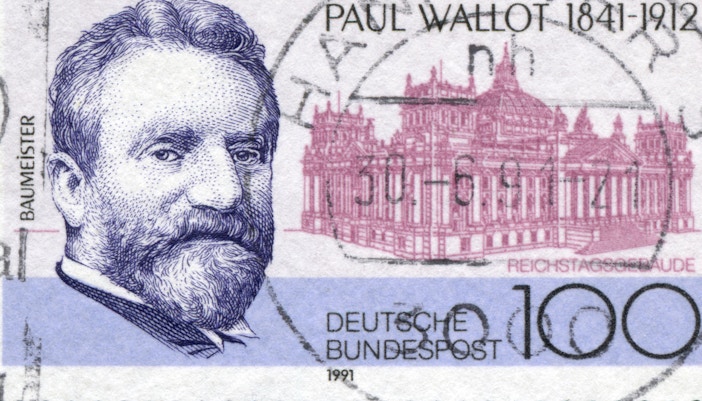
1871: Under the supervision of German architect Paul Wallot, the Reichstag building construction started following the unification of Germany under the German Empire.

1894: The Reichstag building’s construction is completed and it’s inaugurated.

1918: The German Revolution leads to the abdication of the German Emperor and the establishment of the Weimar Republic. The Reichstag becomes the seat of the German government.

1933: The Reichstag suffers from a deadly fire, leading to the erosion of democracy in Germany and the rise of the Nazi regime under Adolf Hitler.

1945: The end of World War II resulted in the Reichstag building being heavily damaged during the Battle of Berlin.

1949: The establishment of the Federal Republic of Germany (West Germany) and the German Democratic Republic (East Germany). The Reichstag building falls within the territory of West Berlin, near the border of East Berlin.

1990: The fall of the Berlin Wall and the reunification of East and West Germany. The Reichstag building undergoes extensive renovations and restoration.

1999: The Reichstag building becomes the seat of the German Bundestag (Parliament) after extensive renovations and restoration under the design of British architect Norman Foster.
Reichstag Berlin history explained

Inception of the Reichstag

Late 19th Century

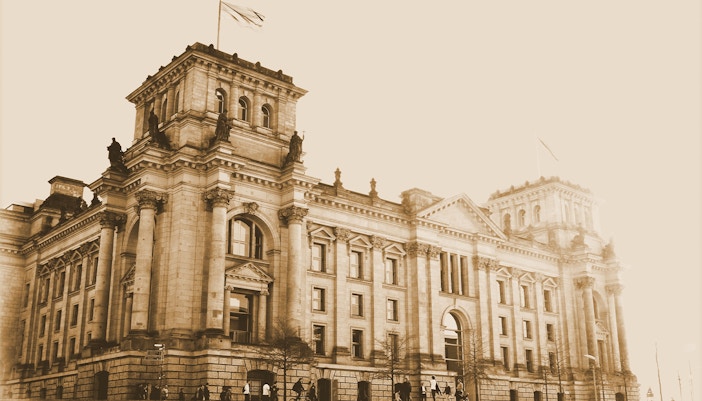
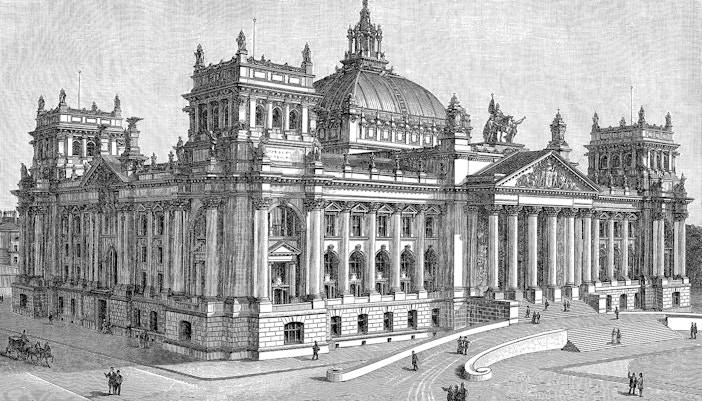
The Reichstag, meaning "National Diet" in German, was constructed between 1884 to 1894 under the supervision of Paul Wallot. It was to serve as the parliamentary building of the then-ruling government. The original building sported a neo-Renaissance style.

The Reichstag fire

February 27, 1933

An incident that shaped the Bundestag's history was the burning of the Reichstag in 1933. Marinus van der Lubbe, a young Dutch communist was dubbed the perpetrator and subsequently, the Nazi regime used the event to rise further into power. Other actions included the suspension of civil liberties and the ultimate establishment of authoritarian rule.

World War II and destruction of the Reichstag

1939-1945

Caught amidst the turmoil of World War II, the Reichstag was left in ruins. However, its remains were preserved to serve as a reminder of the power of resistance and resilience against Nazi tyranny.

Fall of the Berlin Wall and Reichstag restoration

1989-1990

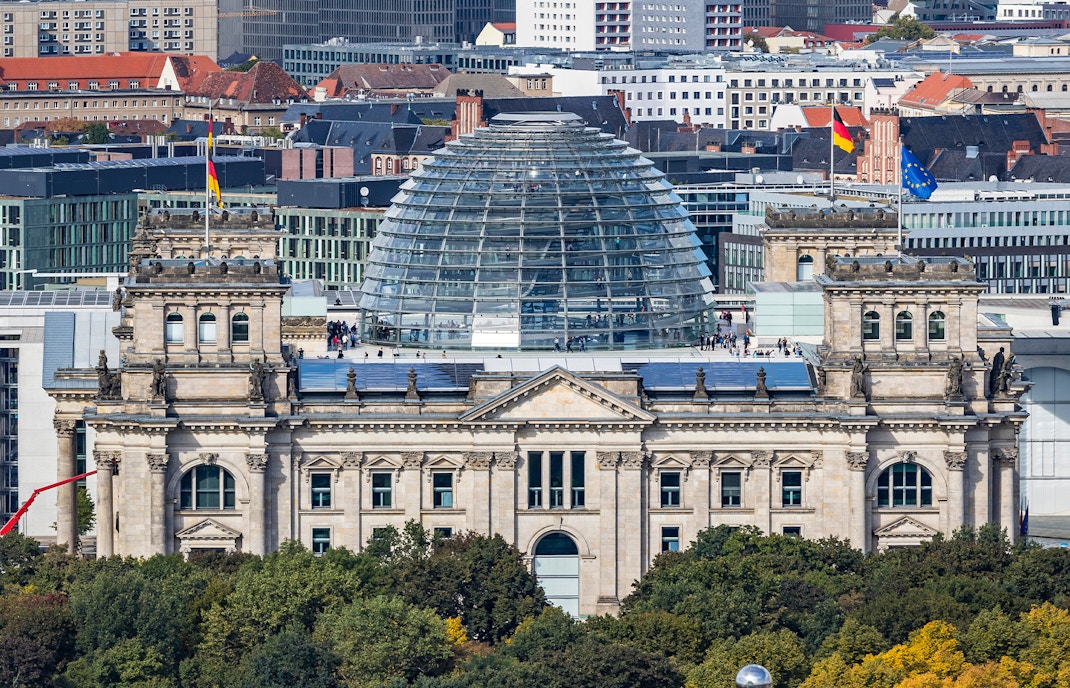
A key moment in German history was the fall of the Berlin Wall in 1989. The reunification of East and West Germany in 1990 subsequently restored the Reichstag as the seat of a reunified German government. The building underwent severe restoration and reconstruction with the addition of a glass dome. This was the vision of British architect Norman Foster who wished to make the dome a symbol of transparency and openness in the German democratic process.

Reopening and modern significance

1999-Present

The Reichstag was officially reopened in 1999, becoming the meeting place of the German Bundestag (parliament). It has since become a popular tourist attraction offering panoramic views of Berlin and its rich history serving as a reminder of Germany's tumultuous past and its commitment to democracy. Today, the Reichstag serves as a symbol of political stability, openness, and democracy in Germany and the world.

Construction of the Reichstag building

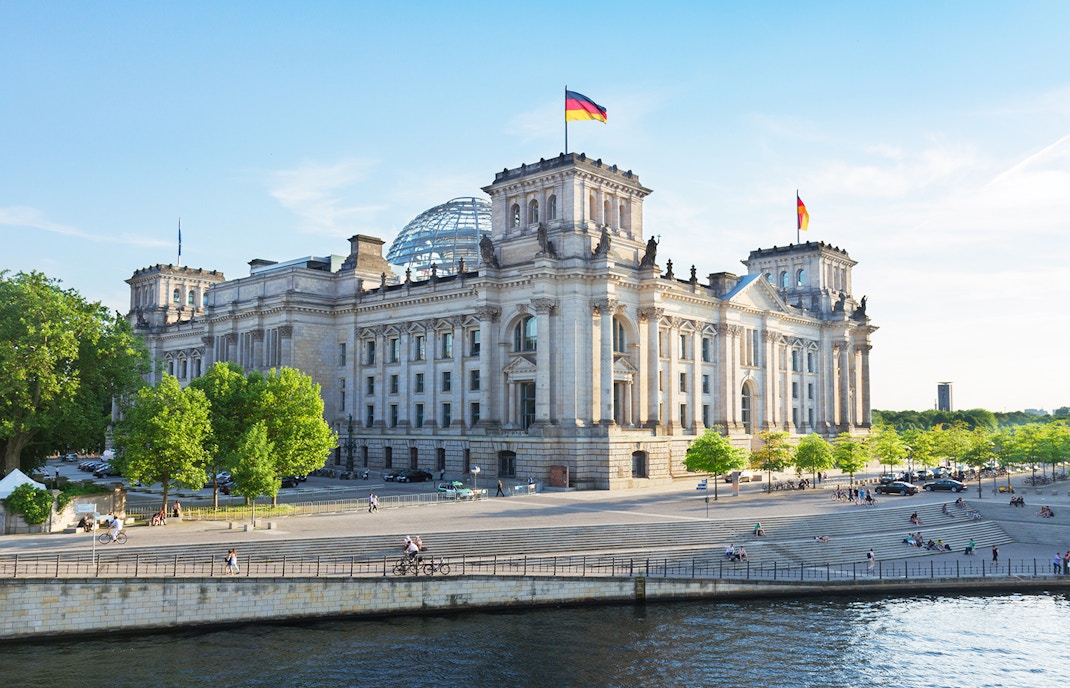
Reichstag or Bundestag on Platz der Republik in Berlin in Germany

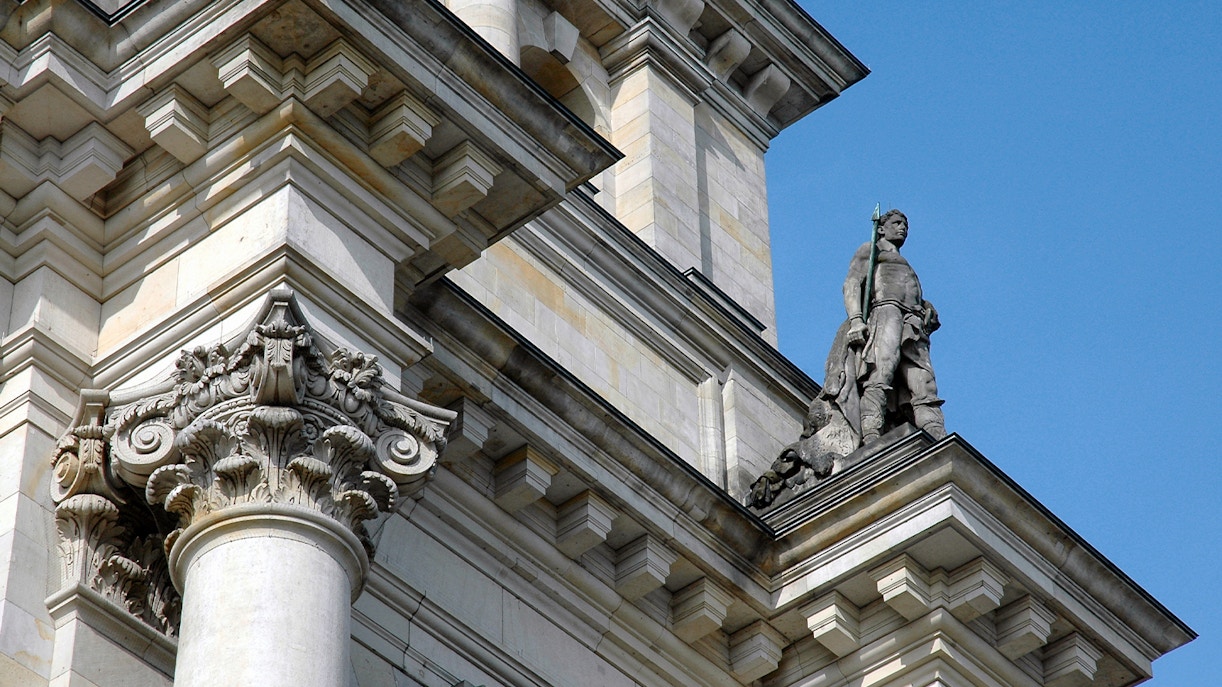
Perceived as a symbol of German unity, the Reichstag was first commemorated in 1894 under the vision and direction of architect Paul Wallot. The building adapted a true neo-Renaissance style, complete with grand facades, intricate details, and sculptures. The construction involved innovative techniques for the time, such as the use of steel and glass, which were cutting-edge materials of the era. Despite, a rocky start, the Reichstag was completed and inaugurated. It came to stand as a beacon of German democracy and progress.

Reichstag architecture

Reichstag today

Today, the Reichstag stands as a powerful testament to Germany's rich history and its commitment to democracy. Its intricate architecture, with the glass dome symbolizing transparency and openness, has made it a symbol of modern Berlin. As the seat of the German Bundestag, the Reichstag continues to play a significant role in the country's governance, hosting important political debates and decisions. Visiting the Reichstag is not only a chance to marvel at its grandeur and architectural significance but also an opportunity to delve into the history and culture of Berlin and Germany.

Explore the Reichstag

Frequently asked questions about the Reichstag history

The Reichstag was completed in 1894, making it over 120 years old.