Quick Information

RECOMMENDED DURATION

2 hours

VISITORS PER YEAR

3000000

Plan your visit

Did you know?

In 1933, the Reichstag was severely damaged by fire, an event that played a crucial role in Hitler's rise to power. The building lay dormant for decades until its restoration in the 1990s after German reunification.

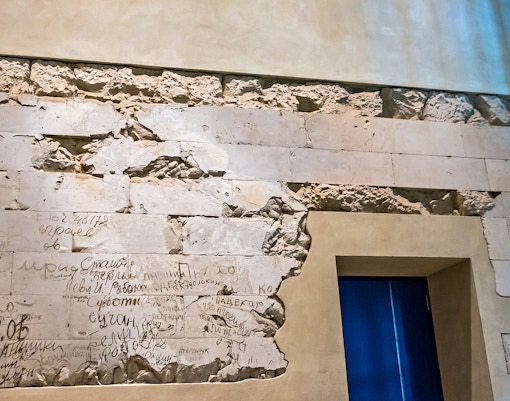
During the restoration, graffiti left by Soviet soldiers in 1945 was preserved, offering a poignant reminder of the building's wartime history. You can still see it on your visit to the Reichstag.

If you look closely, you can still see bullet holes from the Battle of Berlin in 1945, a stark reminder of the building's tumultuous past.

Inside Reichstag: what to see and do?
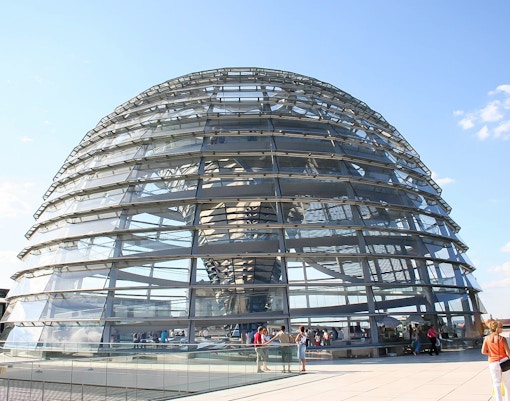
Dome of the Reichstag
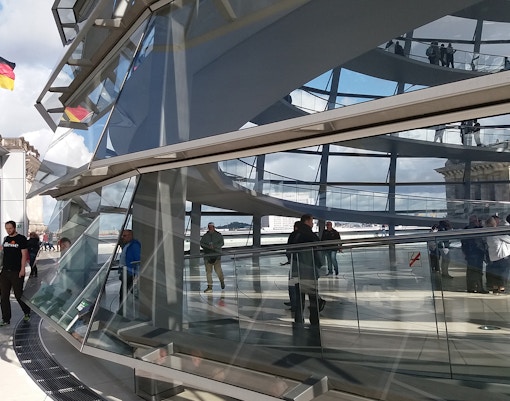
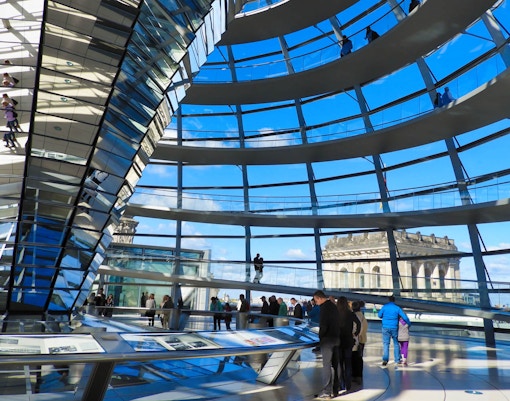
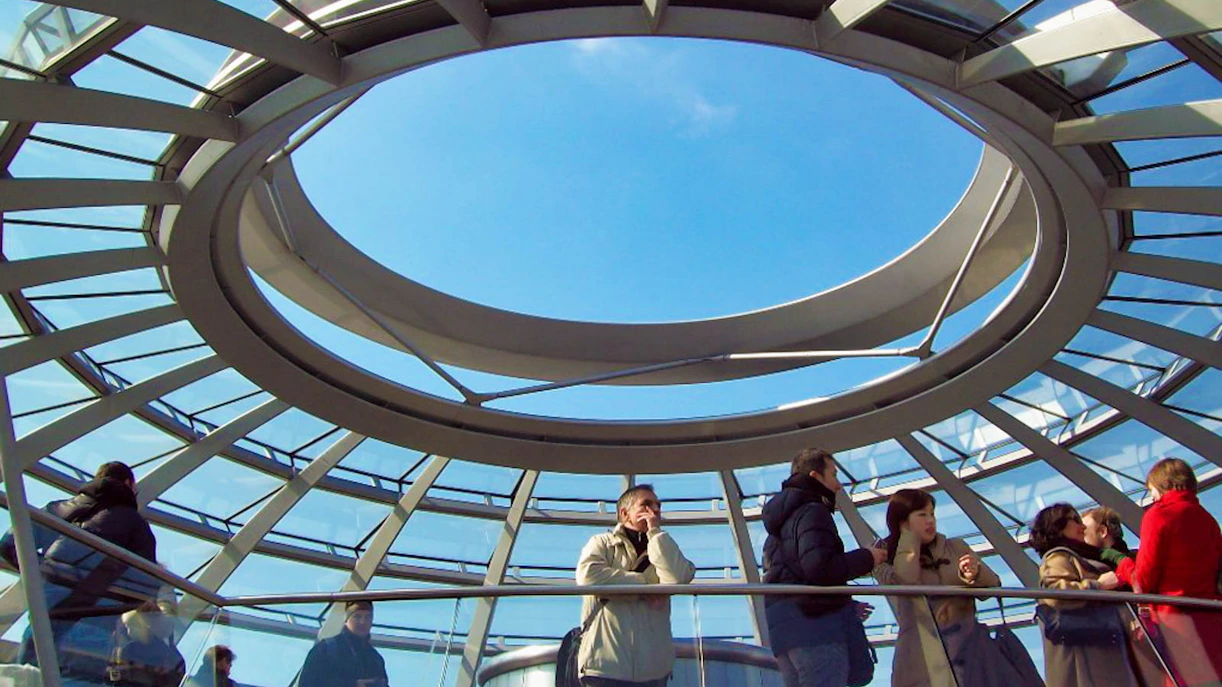
Enjoy 360-degree views of Berlin from the Reichstag dome made of 3,000 glass panels supported by a steel frame. It was designed by Norman Foster and is accessible via a spiraling ramp.

Reichstag roof terrace

Adjacent to the dome, the rooftop terrace offers panoramic views of Berlin's skyline. It’s an ideal spot for photography and to take in the city's sights from a unique vantage point.

Plenary Chamber

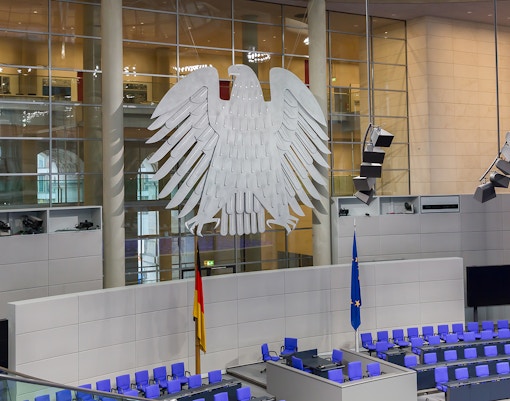
The heart of German democracy, the Plenary Chamber, is where the Bundestag (Federal Parliament) meets. Visitors can observe the proceedings from the public gallery during sessions.

Parliamentary history exhibition

Gain insights into the dynamic history of the German parliament building through selected documents, images, and short texts spread across twelve cases inside the Reichstag dome.

Rooftop restaurant

Grab a meal at the Käfer Dachgarten Restaurant on the rooftop while enjoying excellent views of the Berlin skyline. Its open from 9am to 5pm and 7pm to 12am.
Prior reservation required!

Cyrillic graffiti

After the siege of Berlin's Reichstag building in 1945, Soviet soldiers left graffiti on the building's walls. These markings have been carefully preserved, offering a poignant reminder of the building's wartime history.

Artworks

You can see a variety of artworks by renowned German and international artists in Reichstag parliament building. These include pieces by artists from the USA, France, and Russia, reflecting Berlin's former four-power status.

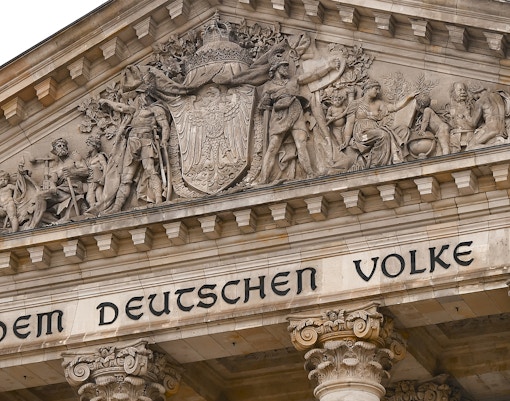
Dem Deutschen Volke inscription

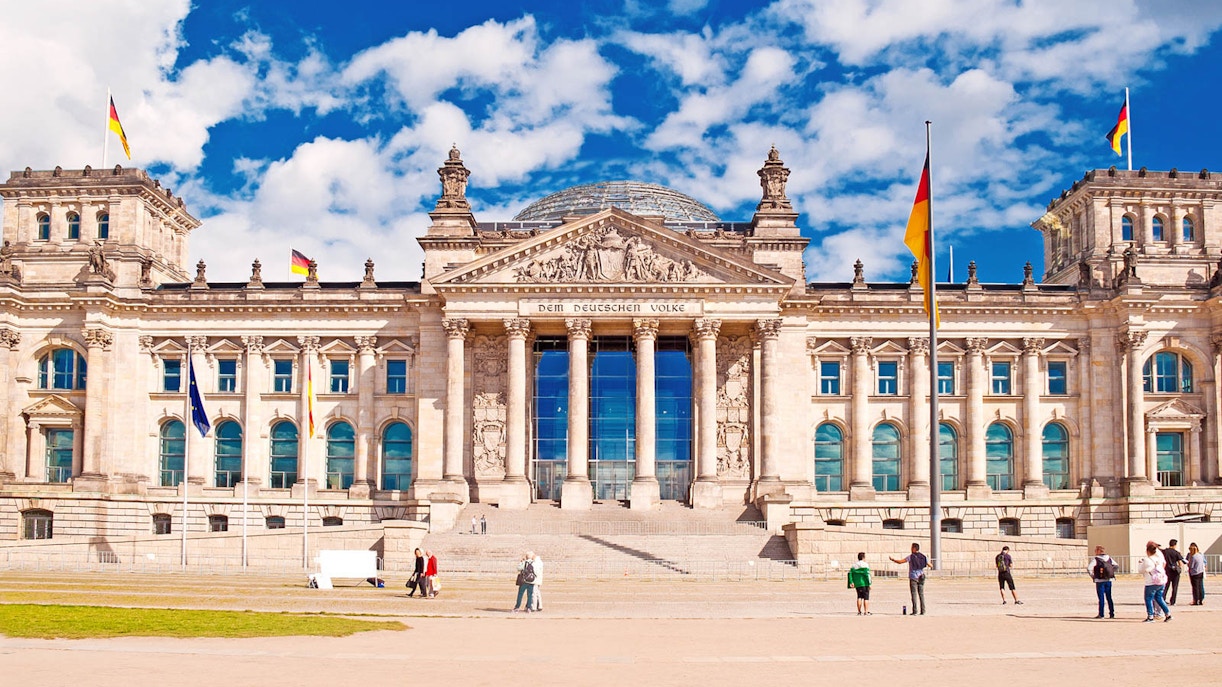
Translated as 'To the German People,' this inscription on the building's facade represents a commitment to democracy and unity. It's a powerful reminder of Reichstag's role in German history.

Reichstag history in a nutshell

Berlin's Reichstag Building

The Reichstag building, Berlin, Germany, has quite the story to tell, starting from its inception in 1894. Initially built as the meeting place for the Imperial Diet of the German Empire, it's been a silent witness to some major historical moments, like the tumultuous rise and fall of the Third Reich. Things took a dark turn in 1933 when a fire caused serious damage, and the Nazis took advantage of the chaos to tighten their grip on power. During the Cold War, the Reichstag fell into disrepair and was largely forgotten.

However, in the post-war era, Berlin's Reichstag turned into a symbol of Germany's reunification. The decision Reichstag restoration was made in 1990, and British architect Sir Norman Foster led the project. The renovation was completed in 1999 with the addition of a glass dome, transforming the Reichstag into the modern structure we see today as the seat of the German parliament. Today, the Reichstag building stands as a monument to the resilience and democratic spirit of Germany, attracting visitors from around the world who wish to witness its storied past and its role in shaping the nation's future.

Reichstag Berlin history

Reichstag building architecture

  • A fine example of German architecture sporting the Neo-Renaissance, Neo-Baroque, and Postmodern styles, the Reichstag building boasts an imposing facade with ornate sculptures and grand staircases.
  • Designed by Paul Wallot, the original building was completed in 1894, and the post-reunification renovation by Sir Norman Foster introduced a contemporary touch while respecting the building's historical significance.
  • The most striking addition was the new glass dome, a transparent marvel that contrasts with the original stone structure. This modern dome symbolizes transparency in government and offers visitors a 360-degree view of Berlin from its observation deck.
  • Inside, Foster's design of the German parliament building integrates advanced sustainability features, such as solar panels and a natural light funnel that illuminates the parliamentary chamber below. The juxtaposition of old and new elements in the Reichstag's architecture makes it not just a functional political center but also a masterpiece of architectural ingenuity.

Reichstag Berlin architecture

Berlin's Reichstag today

Reichstag Building in Berlin

Today, the Reichstag building serves as the seat of the German Bundestag (German federal parliament). Visitors flock to this iconic building to marvel at its imposing architecture, delve into its storied past through informative exhibits, and ascend to the majestic glass dome for panoramic views of Berlin's skyline. It stands as a powerful reminder of Germany's journey from a fractured past to a beacon of democracy in the heart of Europe.

Reichstag building photos

Frequently asked questions about the Reichstag Berlin

The Reichstag Berlin currently serves as the seat of the German Bundestag, the federal parliament. It hosts parliamentary sessions and legislative proceedings, symbolizing Germany's commitment to democracy.