Berlin Tickets

From Ruins to Resurgence: The Architectural Revival of the Reichstag

The Reichstag stands tall, not only as a proud symbol of German democracy but also as a fine specimen of Neo-classical German architecture. In over a century, the Reichstag has been built, burnt, and rebuilt, making it all the more interesting to the eye of an architecture enthusiast. With its latest modern additions, read on to find out how the Reichstag architecture and design have evolved through the years.

Reichstag building architecture | A quick overview

Reichstag Architecture

Official Name:  Reichstag/Bundestag

Built in: 1894

Renovated in:

Architectural style: Neo-classical, Neo-Renaissance, Baroque

Reichstag building architect: Paul Wallot

Reichstag dome architect: Norman Foster (Dome)

Dimensions:

  • 61,166 sq meters (area)
  • 47 meters (height)
  • 40 meters (dome diameter)
Plan your visit to Reichstag

Reichstag architecture & design

Reichstag Architecture

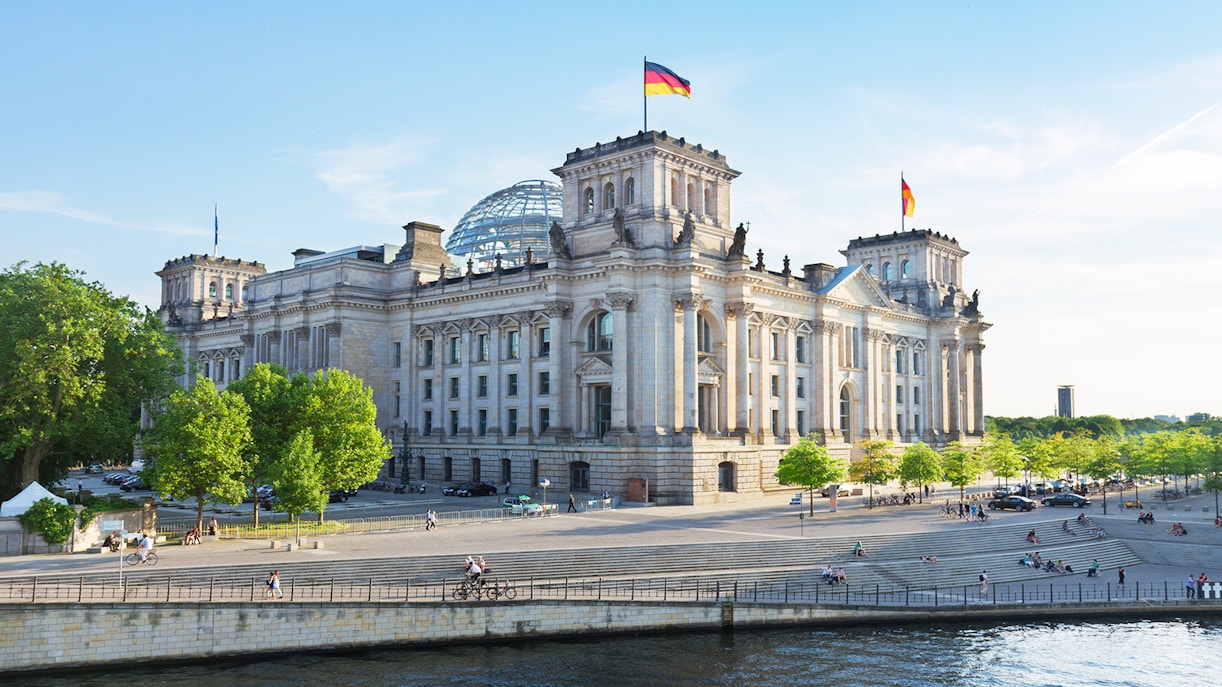
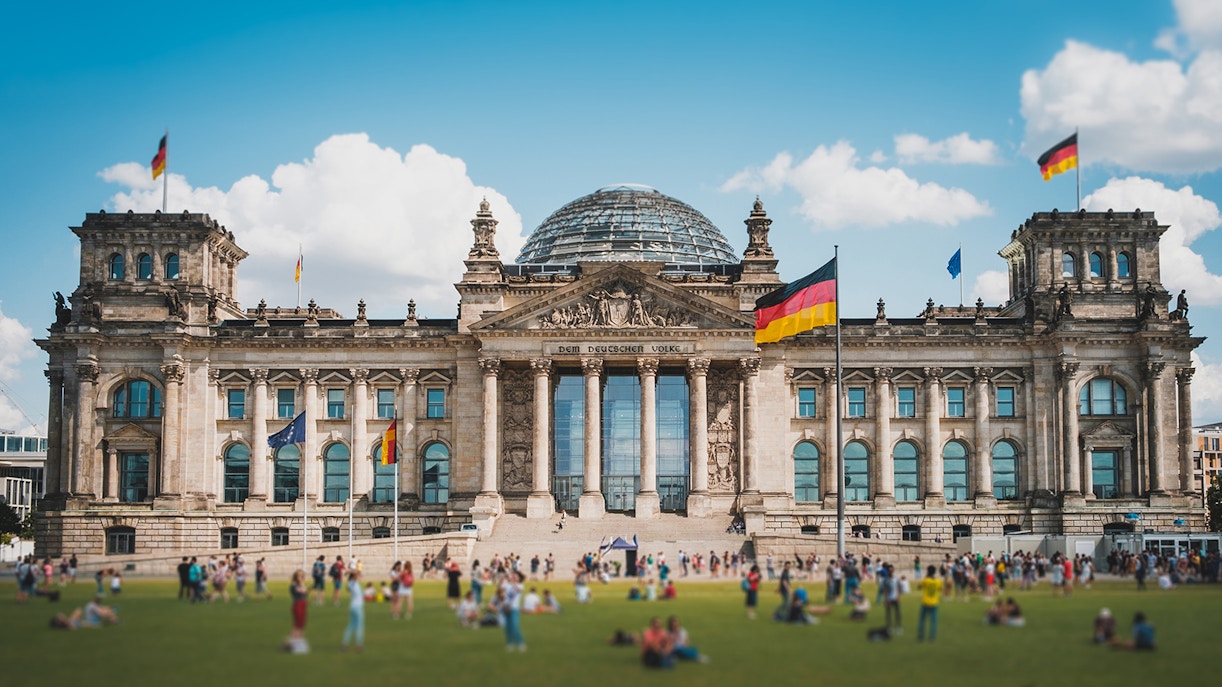
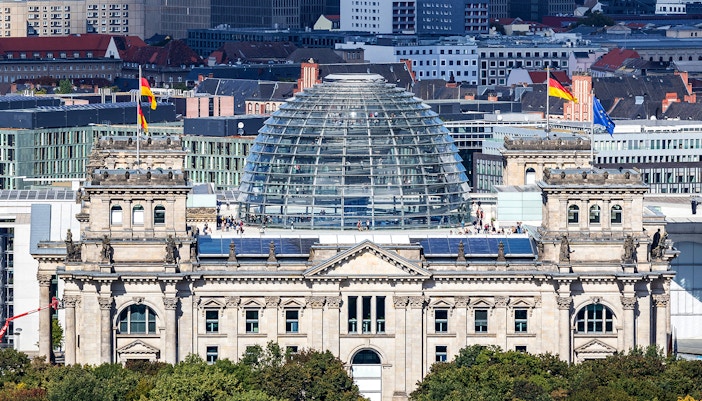
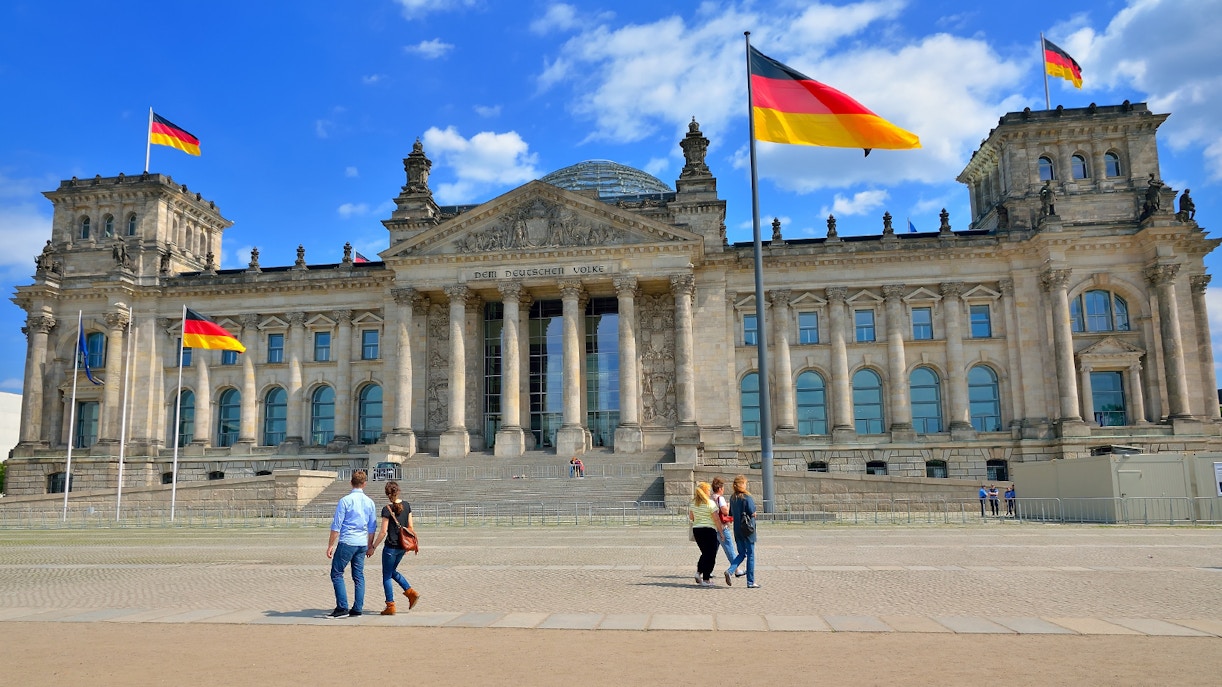
An amalgam of historical and modern architectural styles, the Reichstag displays both elements of the late 19th-century neo-Renaissance style through its historic facades and sculptures and a modern touch with its intricate glass dome that offers a bird's eye view of the city.  The building’s hosting of both the historic and the modern has come to symbolize its resilience towards a tumultuous past and perseverance towards the future. It also houses Germany’s rich history and its current democratic values.

Inside Reichstag

Who designed the Reichstag building?

The original architect of the Reichstag building was Paul Wallot, a German architect who designed the historic facade of the building. The renovation of the Reichstag after reunification was carried out by the British architect Sir Norman Foster, who designed the iconic glass dome.

Structure of Reichstag

Reichstag Architecture

The Reichstag building is primarily constructed using steel, glass, and concrete materials. The glass dome is made of fireproof glass, allowing natural light to enter while ensuring safety. The building's structure is designed to be energy-efficient, with features such as solar panels and natural ventilation systems. The spiral ramp inside the building is made of steel and provides a unique and functional element to the overall structure. The Reichstag Berlin architecture and materials are used to showcase a combination of modern construction techniques and sustainable design principles.

Reichstag dome

Architectural highlights of Reichstag Berlin

Glass dome

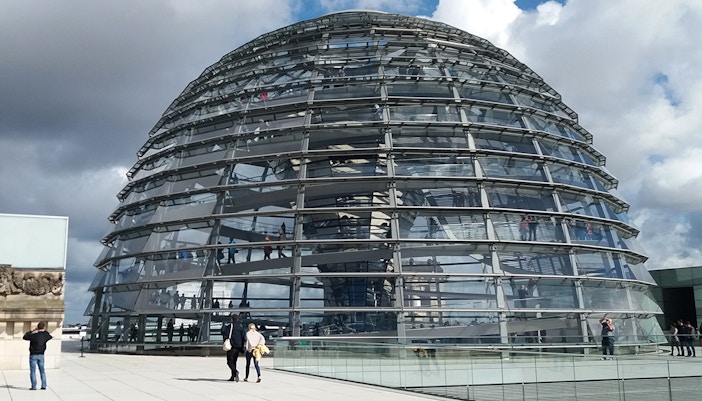
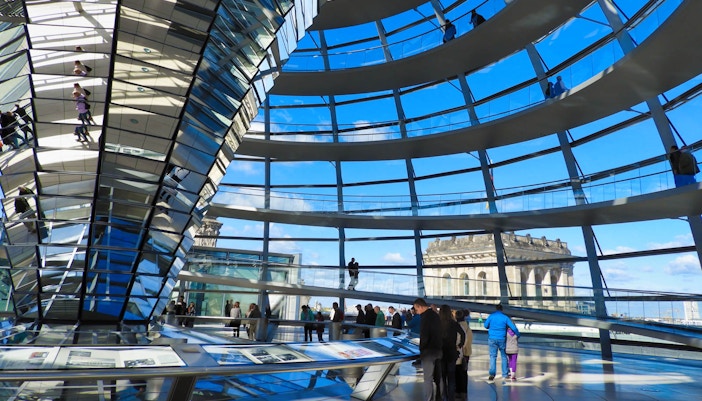
One of the most prominent architectural features of the building, the Reichstag dome was designed by Sir Norman Foster. Made of 3,000 glass panels it offers panoramic views of Berlin and also stands for the transparency and openness of the German government.

Facade

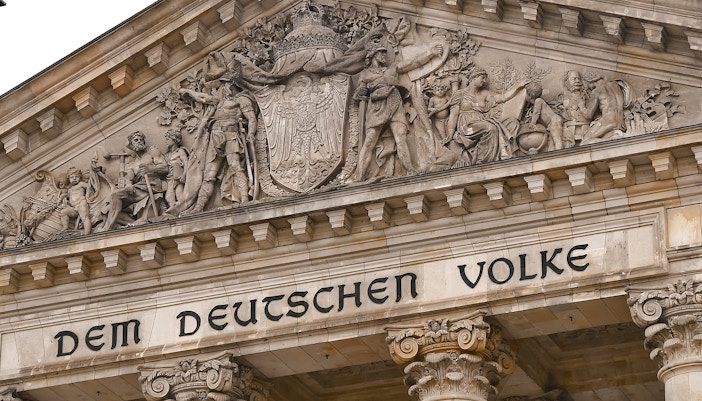
Designed by Paul Wallot, the historical facade features elaborate sculptures, reliefs, and decorative elements that reflect the neo-Renaissance architectural style of the late 19th century.

Sustainable design

The Reichstag's design incorporates various energy-efficient features, such as solar panels, natural ventilation systems, and rainwater harvesting, making it an exemplary model of sustainable architecture.

Spiral ramp

The Reichstag features a spiral ramp that leads visitors from the ground floor to the top of the glass dome, providing a unique and immersive experience as they ascend through the building while enjoying panoramic views of the city.

Plenary chamber

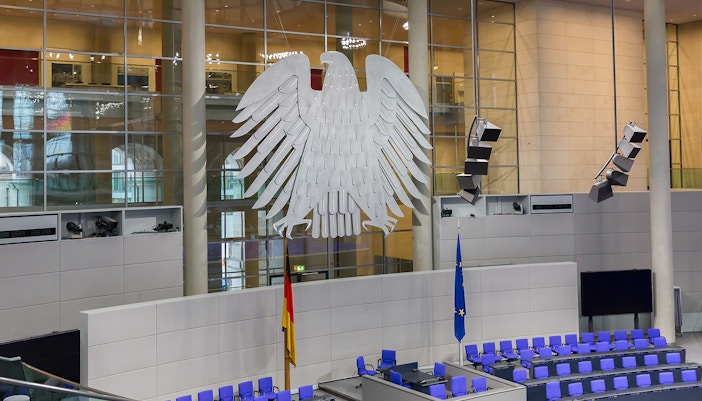
The plenary chamber of the Reichstag is equipped with an innovative lighting system that allows natural daylight to penetrate into the chamber, creating a unique and dynamic atmosphere during parliamentary sessions.

Inner courtyard

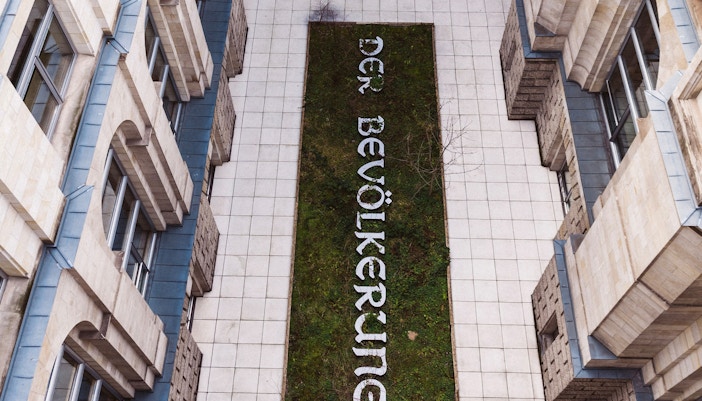
Completed with the historic facade and the modern glass dome, the inner courtyard offers a tranquil escape from the bustling government complex

Frequently asked questions about Reichstag architecture

A. The Reichstag sports an amalgamation of Neo-Classical, Neo-Renaissance, Baroque and modern architectural styles.