Here's Everything You Need to Know About the Berlin Wall Museum Collections

The Berlin Wall Museum tells the story of one of the most significant moments in modern history during the Cold War. At the museum, you'll learn about the construction, division, and eventual fall of the Berlin Wall and the impact it had on the people of Berlin and the world.

The collection includes numerous pieces of the Berlin Wall, as well as photographs, videos, and personal testimonials from individuals who were impacted by the division of the city. Read on to know about the collections that spell the human story of those affected by the Berlin Wall.

Plan Your Visit to Berlin Wall Museum

Berlin Wall Museum Collection Highlights
Berlin Wall Museum Collections
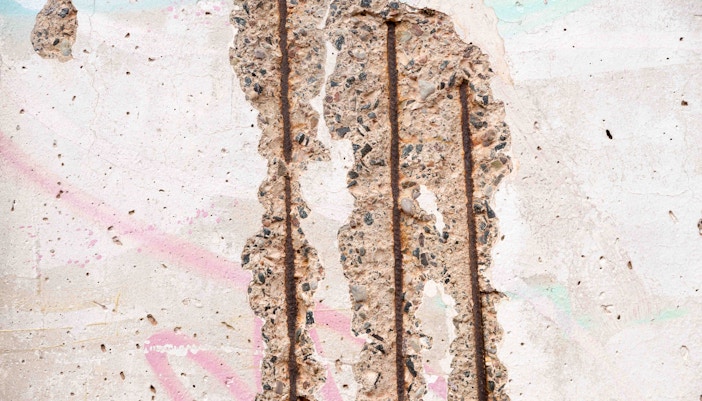
  • Historical Artifacts: The Berlin Wall Museum houses a vast collection of historical artefacts chronicling the construction and fall of the Berlin Wall. Visitors will find original pieces of the wall, border fortifications, and personal accounts of individuals who witnessed key events throughout history.
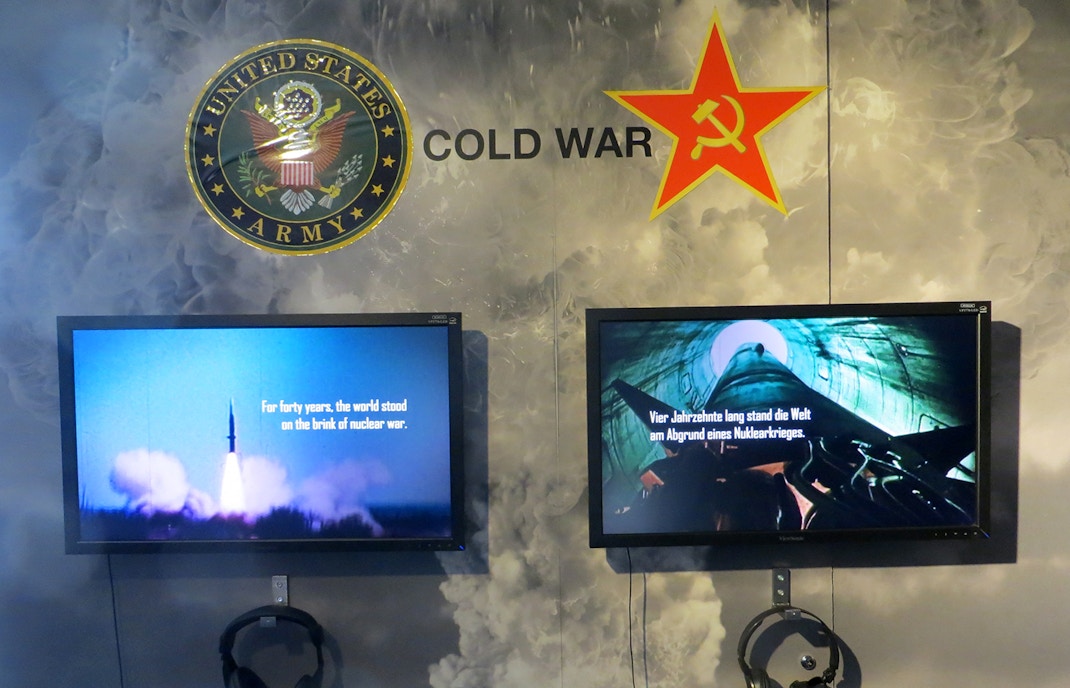
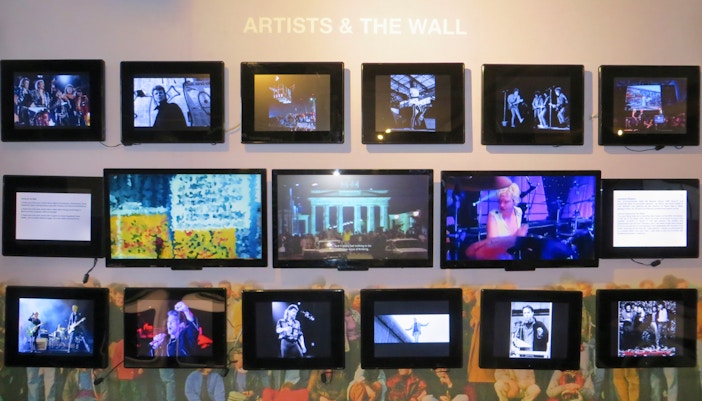
  • Multimedia Exhibits: Experience the history of the Berlin Wall up close and personal with an array of multimedia exhibits. Learn about the political and social tensions that led up to the construction of the wall, and how the fall of communism signaled its ultimate demise.
  • Personal Accounts: One of the most valuable aspects of the Berlin Wall Museum is the opportunity to hear personal stories from those who lived through this historic period. Fascinating accounts from escapees, refugees, and former guards and dignitaries give visitors a firsthand perspective on the events that shaped modern history.
Know More About Berlin Wall Museum

Collections at Berlin Wall Museum

Multimedia Documentation of Wall Construction

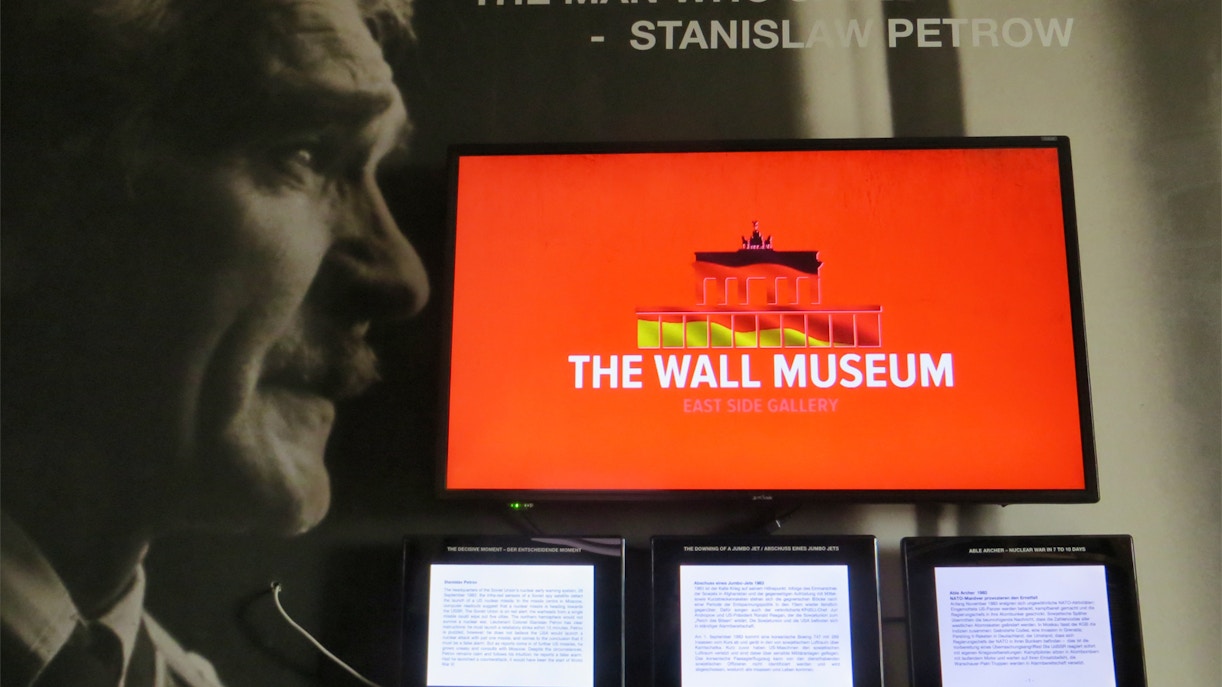
Multimedia information booths document the building of the Wall with witness interviews. These booths utilize a diverse range of multimedia elements, such as video, audio, and text, to comprehensively narrate the story behind the construction of the Berlin Wall. Witnesses who experienced the event firsthand share their personal accounts, while archival footage serves as a visual testament to the actual process of building the Wall.

Balcony Overlooking the Spree and Refugee Tragedies

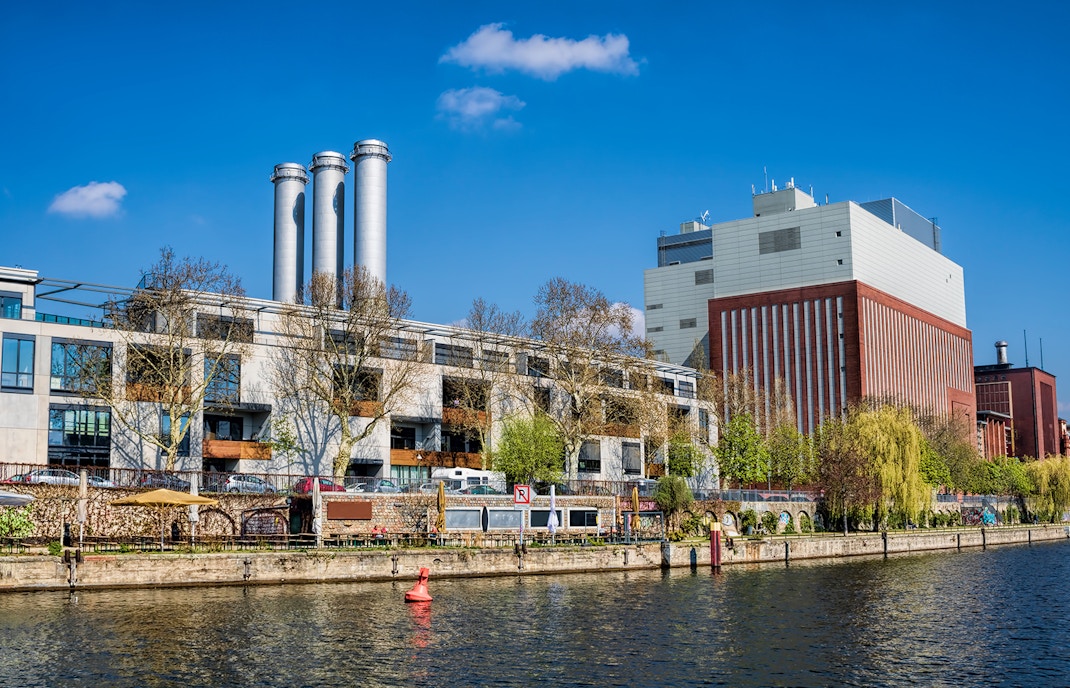
Balcony overlooking the Spree and accounts of drowned refugee children. Positioned on the balcony of the Berlin Wall Museum, visitors are afforded a captivating view overlooking the Spree River. From this elevated vantage point, one can witness the exact location where several refugee children tragically lost their lives while attempting to flee to West Berlin. The museum endeavors to honor these children and other individuals who met a similar fate, highlighting their stories as poignant reminders of the risks taken to cross the border.

Interviews with Key Figures of the Period

Video clips of interviews with key figures of the period such as Helmut Kohl, Hans Dietrich Genscher, and Mikhail Gorbachev. Prominently featured within the Berlin Wall Museum are video clips containing interviews featuring key figures of the time, including the notable presence of former West German Chancellor Helmut Kohl, former East German Foreign Minister Hans Dietrich Genscher, and former Soviet leader Mikhail Gorbachev. These interviews serve as invaluable resources, offering valuable insights into the political and historical events that shaped the construction and ultimate fall of the Berlin Wall.

Original Wall Elements and Barbed Wire Installation

Wall elements from 1961, concrete mixers, and barbed wire as an installation. Within the premises of the Berlin Wall Museum, visitors can marvel at a collection of original wall elements dating back to 1961, notably including concrete mixers and remnants of barbed wire. These artifacts are meticulously curated and displayed as an artistic installation, skillfully constructed to evoke a tangible sense of the physical barrier that profoundly divided Berlin for almost three decades. By encountering these historical objects, visitors are confronted with a vivid reminder of the stark reality that once characterized the city.

Recreated East German Living Room

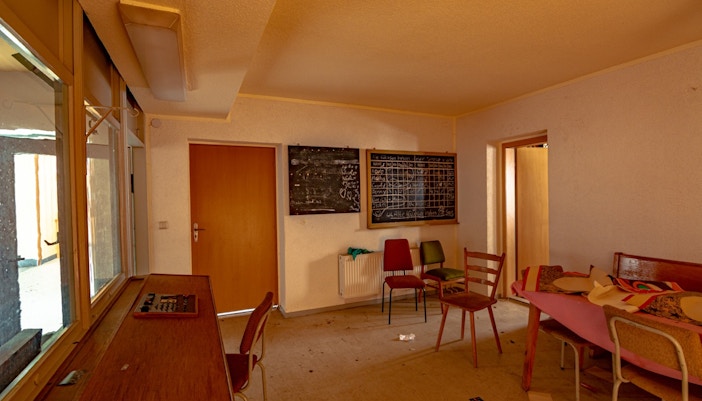
East German living room from the time of the construction of the wall. To provide visitors with a comprehensive understanding of everyday life during the era of the wall's construction, the Berlin Wall Museum thoughtfully presents a recreated East German living room from that time period. This meticulously crafted exhibit allows visitors to immerse themselves in the ambiance and aesthetics of an authentic living space, offering a firsthand glimpse into the experiences and surroundings of East Germans living under the shadow of the wall. Through this interactive display, visitors can gain a deeper appreciation for the impact the wall had on the lives of ordinary individuals in East Germany.

Visitor Tips for Exploring the Berlin Wall Museum Collections

  • Plan to spend at least 2 hours exploring the museum's extensive collection.
  • Be sure to check out the East Side Gallery, which is the longest remaining stretch of the Berlin Wall.
  • Take advantage of the guided tours that are offered to learn more about the history and significance of the Berlin Wall.
  • Take your time reading the numerous personal stories and accounts of people who were personally impacted by the Berlin Wall.
  • Make sure to bring comfortable shoes, as there is a lot of walking involved in exploring the museum.
  • To avoid crowds, consider visiting the museum early in the day or in the late afternoon.
  • Be respectful of the solemn atmosphere and the significance of the history that is being memorialized.
  • Consider combining your visit to the Berlin Wall Museum with a visit to the nearby Checkpoint Charlie Museum for a more comprehensive understanding of the Cold War history.

All Your Questions About the Berlin Wall Museum Collections Answered

The Berlin Wall Museum is a museum dedicated to preserving the history and artifacts related to the Berlin Wall.