History of Berlin Wall Museum
The Soviet Decision
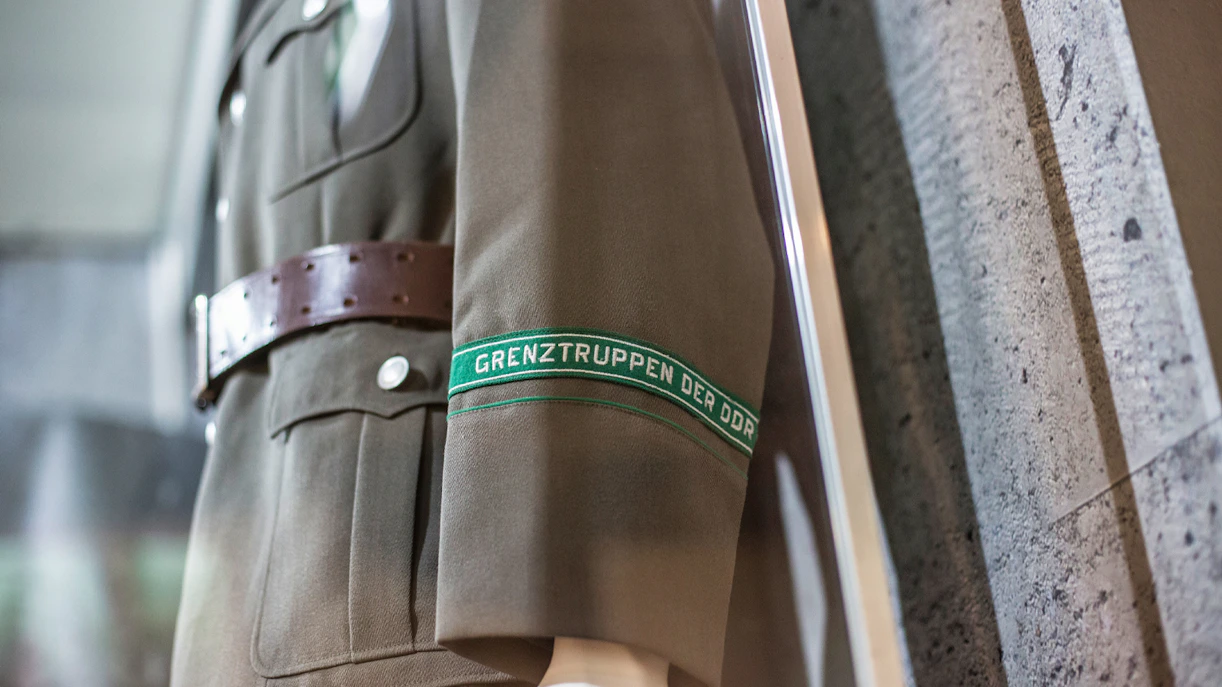
The Berlin Wall Museum has a rich history deeply intertwined with the events surrounding the construction and eventual fall of the Berlin Wall. The need for the wall arose from the mass exodus of more than 3.6 million Germans from the Soviet-occupied zone and East Berlin between 1945 and 1961. This posed a significant challenge to the East German communist regime, prompting them to erect the Berlin Wall on August 13, 1961.
The Iron Curtain
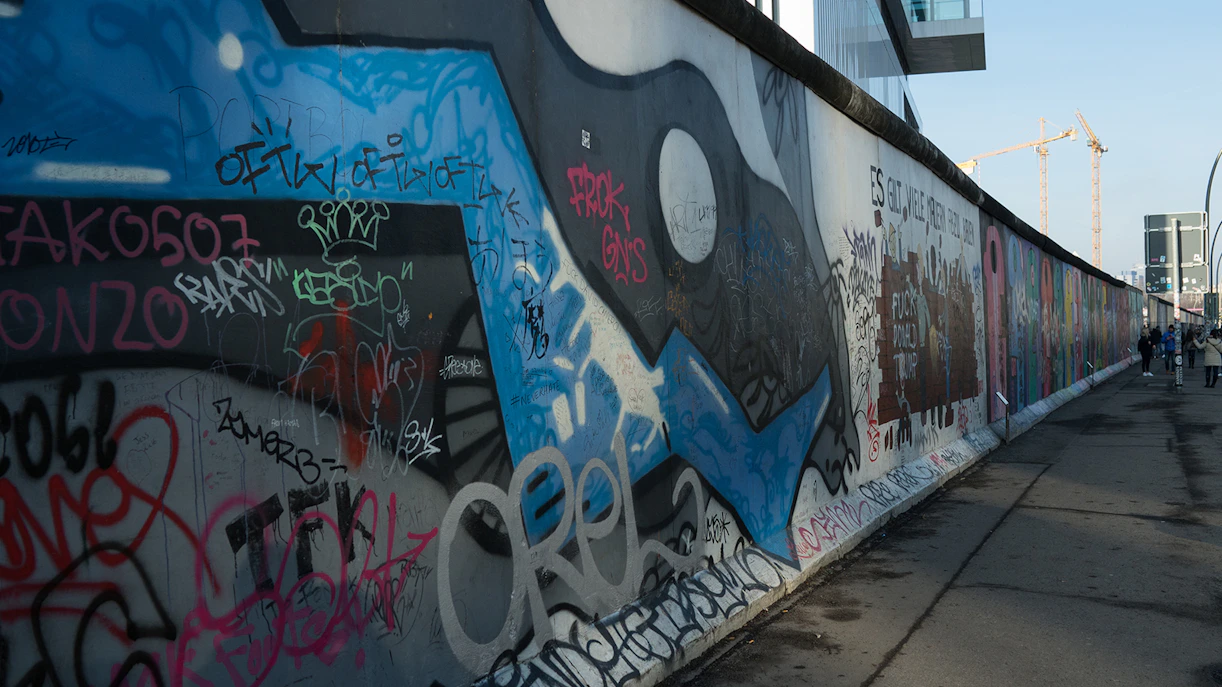
The construction of the wall not only physically separated families and loved ones but also solidified the division of Europe, closing the last gap in the infamous 'Iron Curtain.' The wall became a symbol of oppression and the lengths people would go to escape it, with many risking their lives in daring attempts to cross it.
The Reunification
However, the winds of change eventually swept through Berlin. On November 9, 1989, the Berlin Wall was breached, leading to a wave of reunification. Germany was officially unified under international law a year later, and Berlin became a symbol of hope, German unity, and the future of Europe.
The Museum
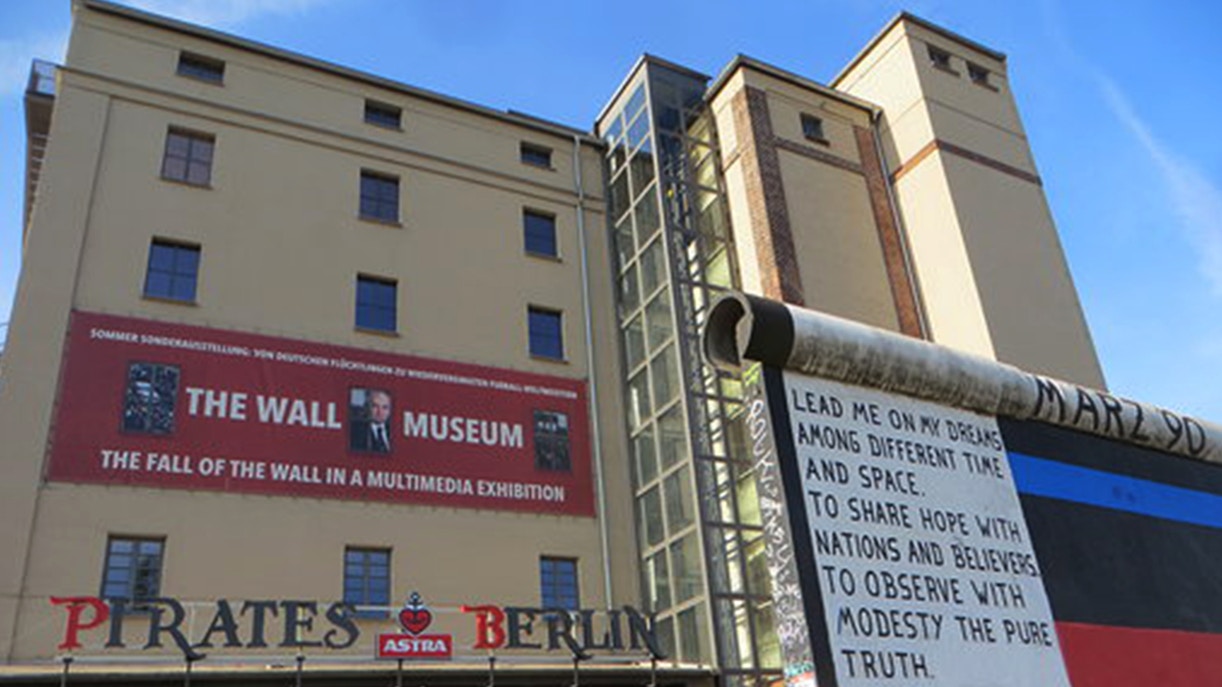
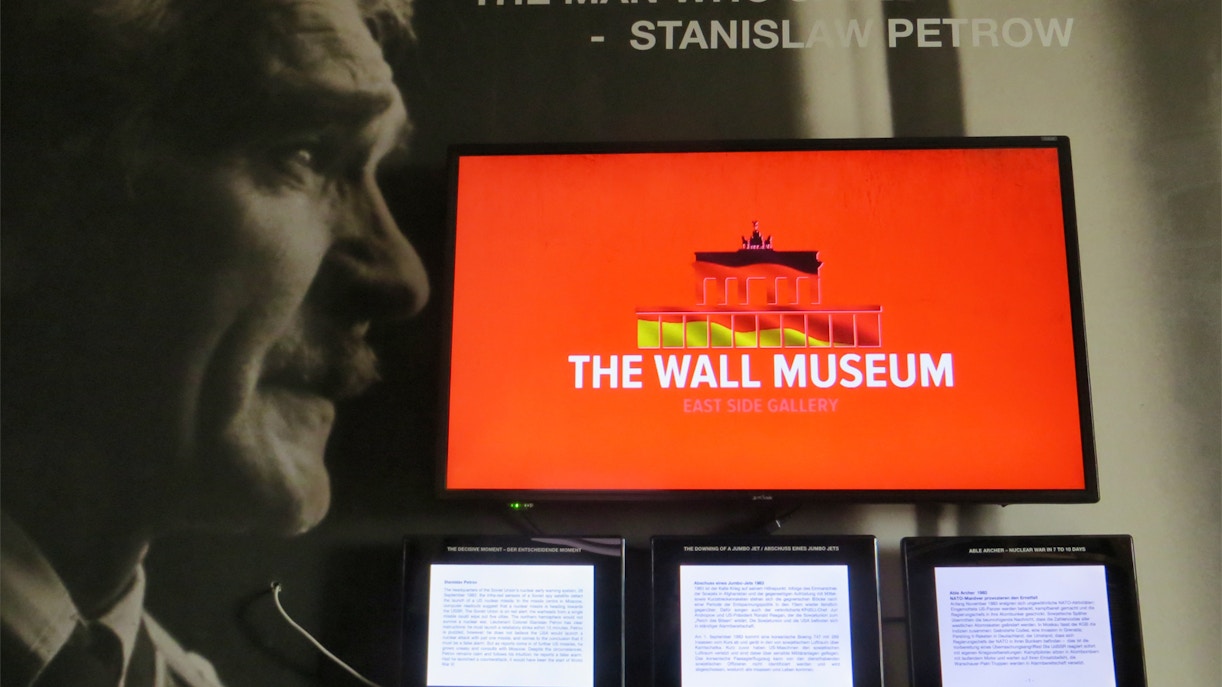
The Berlin Wall Museum itself has a more recent history, with a preview of its exhibits held in temporary structures in October 2015. The official opening took place at Easter in 2016, with notable figures such as Mikhail Gorbachev, Günter Wetzel, Klaus Meine, and Guido Knopp present.