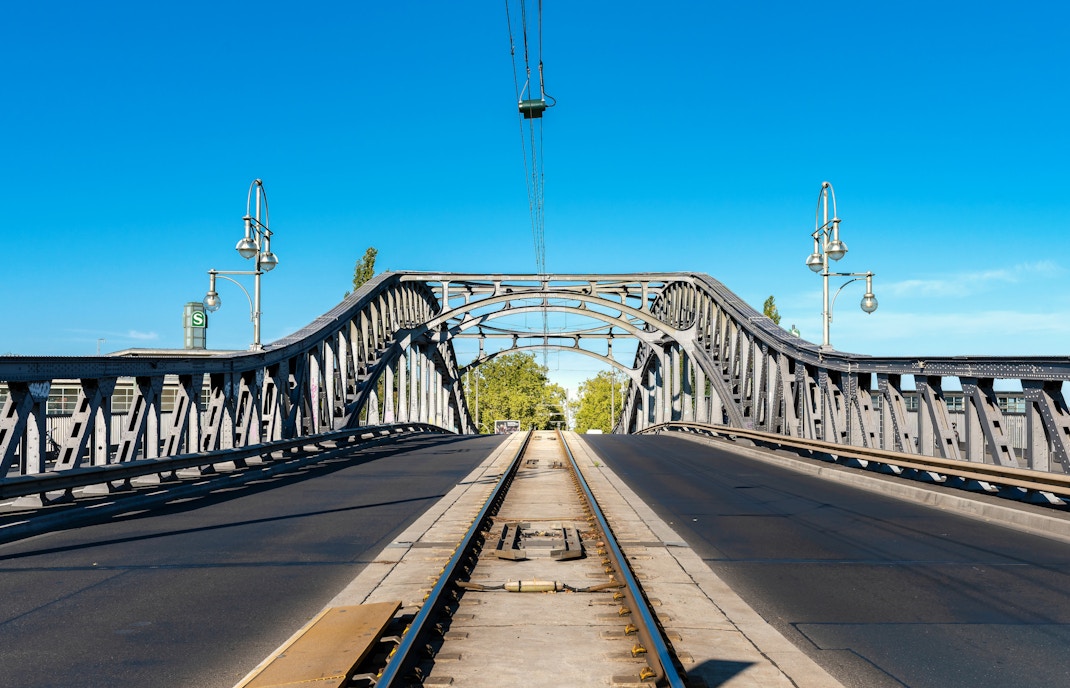
The fall of the Berlin Wall occurred accidentally when a confused announcement by Günter Schabowski led to mistaken reports of open border crossings, causing a surge of East Berliners to the wall. Overwhelmed and facing a growing mob, Officer Harald Jäger opened the Bornholmer Street checkpoint, followed by others.
Interesting Facts About the Berlin Wall
1. The Berlin Wall fall was unplanned
2. The wall’s construction occurred 15 years into the Cold War
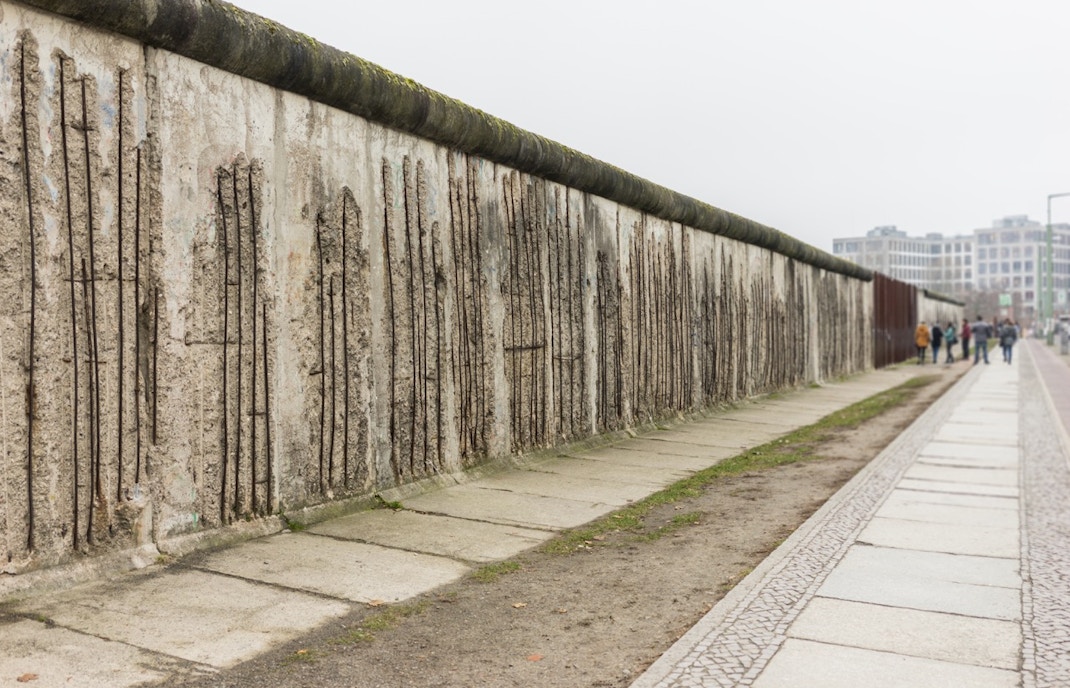
The Berlin Wall was erected over 15 years into the Cold War due to the escalating number of skilled East German professionals fleeing to the West. Soviet leader Nikita Khrushchev finally allowed the construction after defections reached 1,000 people per day in the summer of 1961.
3. The wall is actually two walls
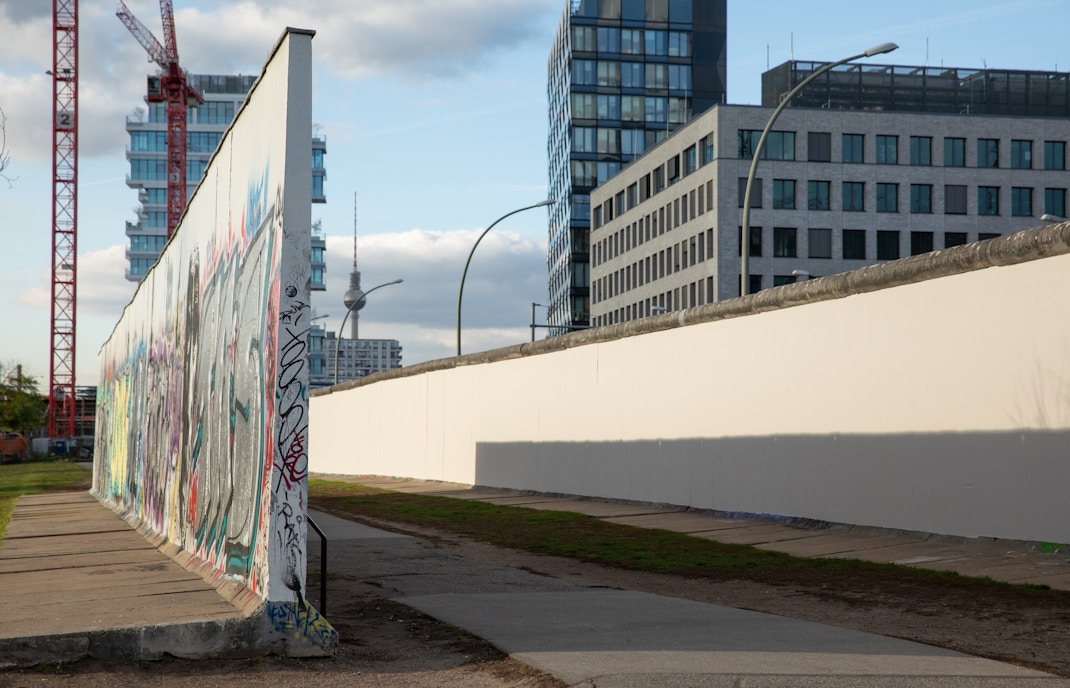
The Berlin Wall consisted of two concrete walls, separated by a "death strip" up to 160 yards wide. It contained watchtowers, anti-vehicle trenches, guard dog runs, floodlights, and trip-wire machine guns.
4. Many lives were lost while escaping
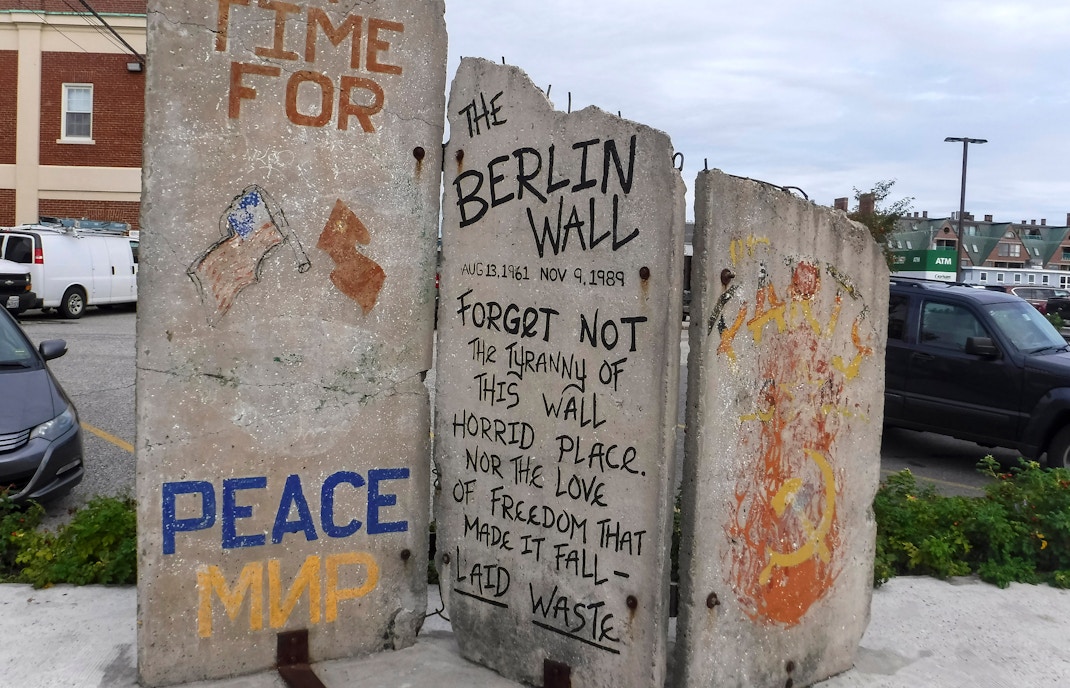
Over 100 people lost their lives attempting to cross the Berlin Wall, with estimates ranging higher. The first victim was Ida Siekmann in 1961, and the last fatality occurred in 1989 when a young East German crashed into power lines while trying to fly over the wall in a hot air balloon.
5. People fled using creative methods
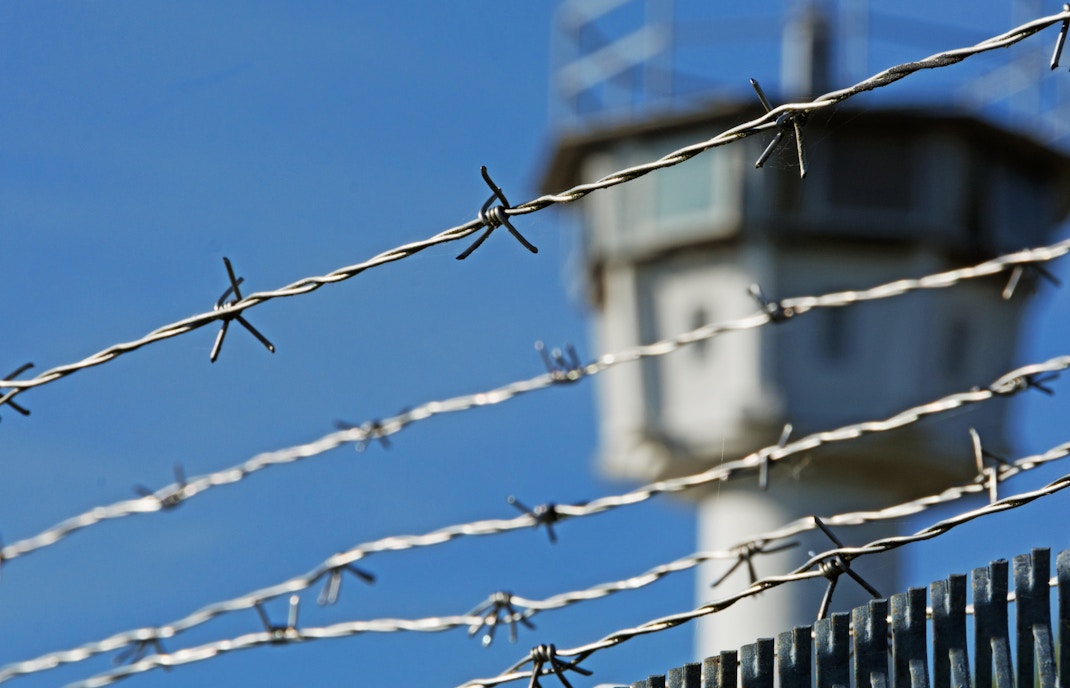
More than 5,000 people escaped by going over and under the Berlin Wall. Conrad Schumann, an East German border guard, famously leapt over the barbed wire just two days after the wall was erected. Escape methods became more elaborate, including hiding in cars, digging tunnels, and even using an ultra-light plane.
6. The wall had a nasty nickname
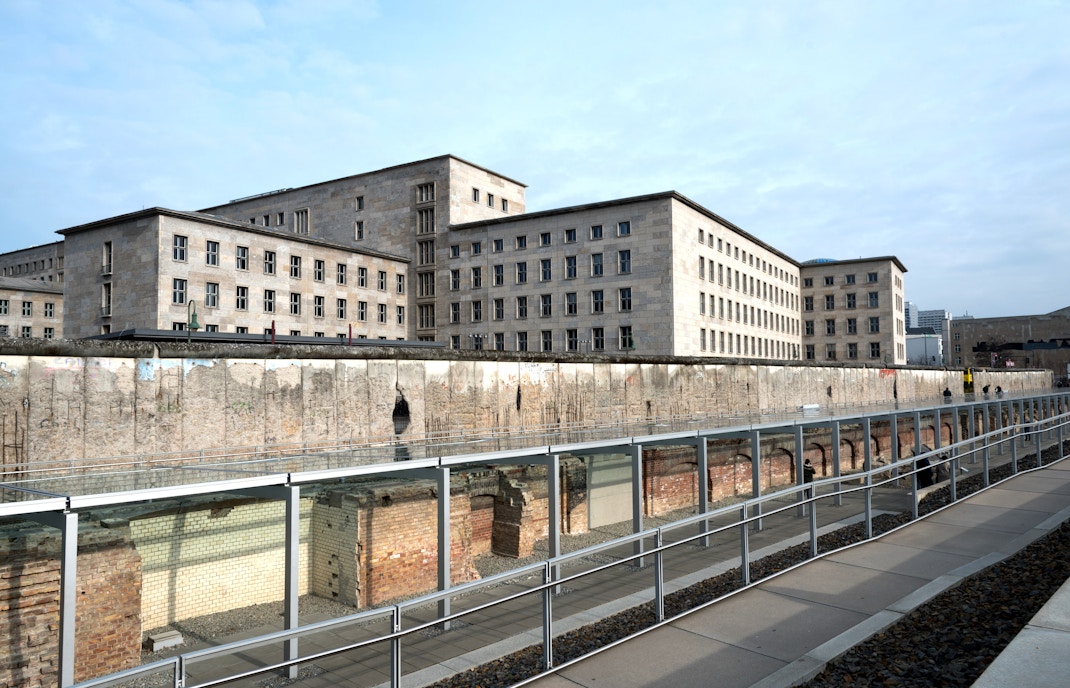
East Germany referred to the wall as the "Antifascist Bulwark" to justify its construction as protection against Western fascists, spies, and ideas. Walter Ulbricht, the East German leader, stated that it sealed cracks and closed holes that could let enemies of the German people enter.
7. A part of the wall is in Las Vegas
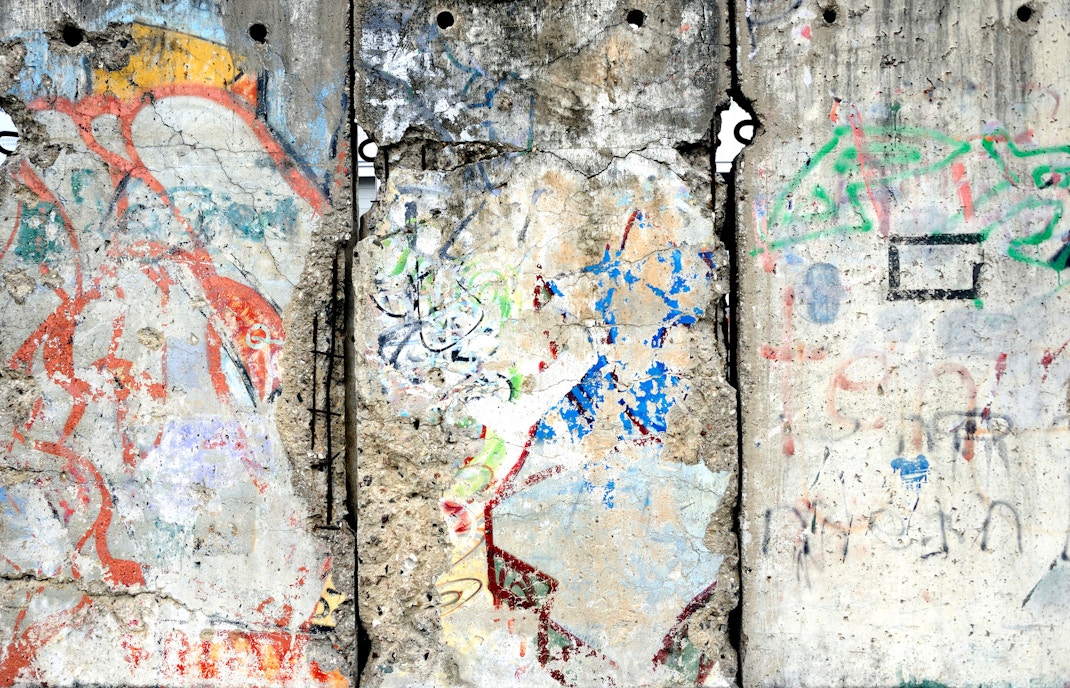
Following its demolition, many sections of the Berlin Wall were recycled, but some were auctioned off and dispersed globally. One such segment can be found in the men's room of the Main Street Station Casino in Las Vegas, serving as urinal partitions behind protective glass.
8. Pieces of the wall are sold on eBay
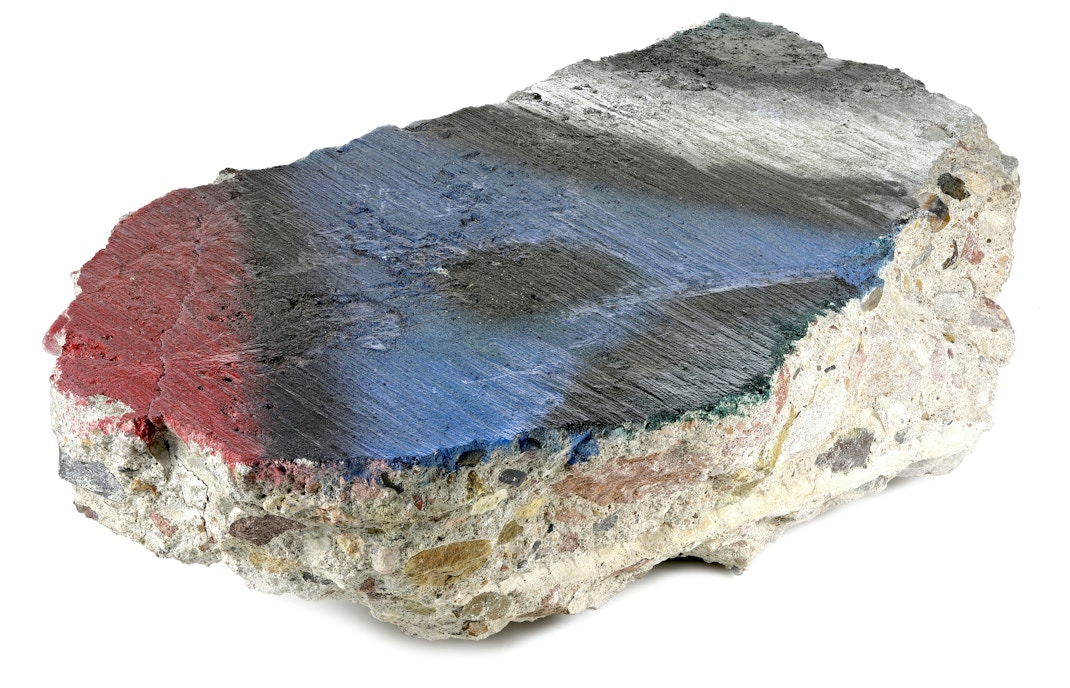
After the fall of the Berlin Wall, fragments of the wall became cherished souvenirs for people worldwide. Many individuals eagerly collected pieces of the wall as tangible reminders of the historic event. Interestingly, some enterprising individuals even took to selling these remnants on online platforms like eBay, capitalizing on the demand for a piece of history.

9. The wall became home to wild rabbits
During its twenty-eight-year existence, the Berlin Wall inadvertently created an unexpected haven for wild rabbits. The presence of the wall provided a unique environment where these small creatures thrived. With restricted access to certain areas and reduced human activity along the barrier, the population of wild rabbits multiplied from 1961 to 1989.
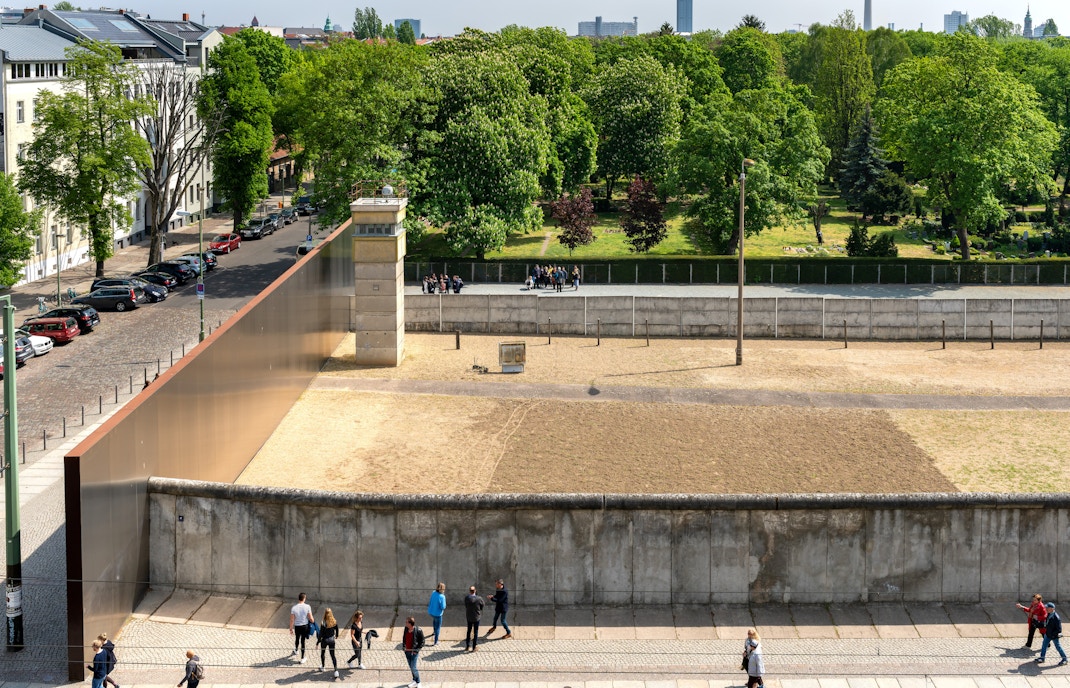
10. The death strip was a death trap
The Berlin Wall was a complex structure comprising two concrete walls, with a "death strip" sandwiched between them. This death strip, spanning approximately 160 feet in width, was a heavily fortified area featuring watchtowers, anti-vehicle trenches, guard dog runs, floodlights, and trip-wire machine guns.
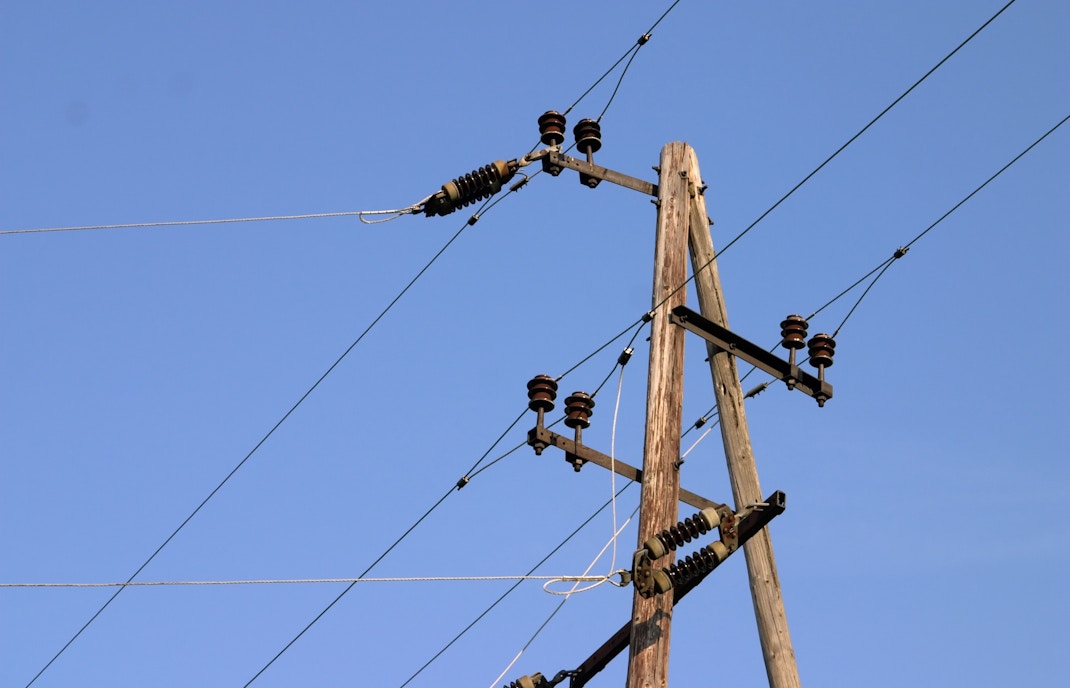
11. An acrobat escaped the wall on a tightrope
In 1963, an extraordinary event unfolded when an East German acrobat named Horst Klein made a daring crossing over the wall. Employing his high-level acrobatic skills, Klein utilized a high-tension cable as a tightrope to traverse the imposing barrier.
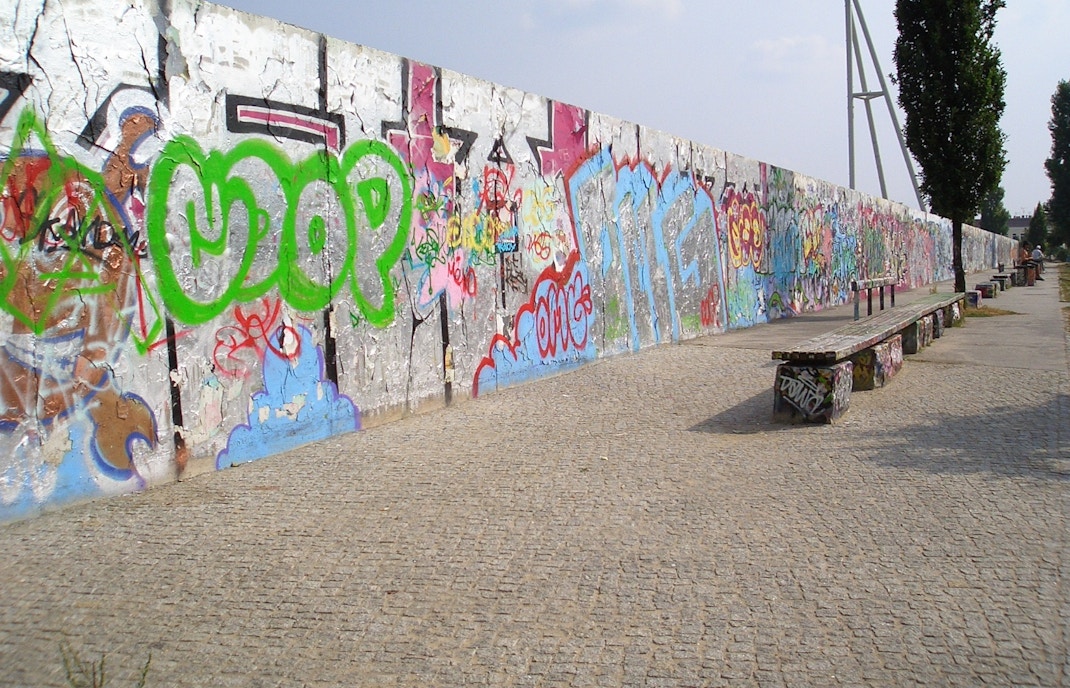
12. The initial construction proposal was rejected
The idea of constructing the Berlin Wall was initially turned down. However, due to a significant exodus of residents from East Germany, the Soviet leaders eventually approved the plan. The wall's construction took place rapidly, and its eventual dismantling occurred within a matter of days, making its existence as short-lived as its downfall.

