Quick Information

RECOMMENDED DURATION

3 hours

VISITORS PER YEAR

3000000

EXPECTED WAIT TIME - SKIP THE LINE

0-30 mins (Peak), 0-30 mins (Off Peak)

UNESCO YEAR

1999

Plan your visit

Did you know?

Museum Island’s five museums were built between 1830 and 1930, reflecting over a century of evolving architectural styles and museum concepts. The vision was to create a unified space for world-class cultural and historical exhibitions.

During World War II, Museum Island suffered significant destruction, with some artifacts lost forever. The Neues Museum, in particular, remained in ruins for decades before its restoration was completed in 2009.

The Bust of Nefertiti, one of the most famous artifacts in Museum Island’s collection, was hidden away during World War II to prevent destruction. It was rediscovered after the war and eventually displayed in the Neues Museum, where it remains today.

Neues Museum highlights
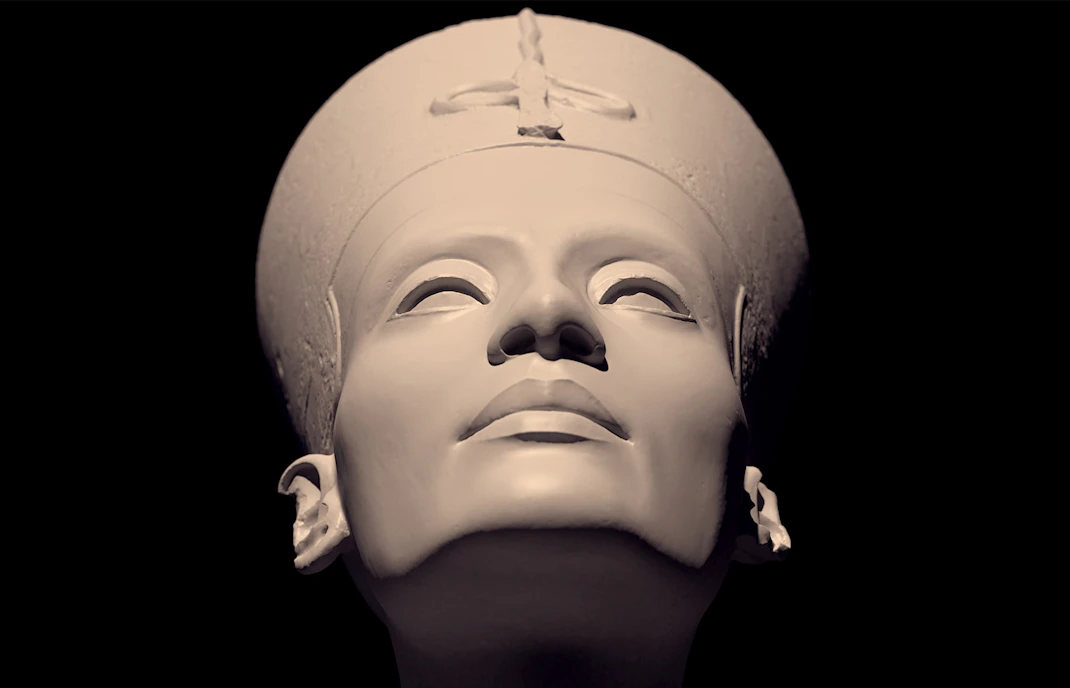
The Bust of Nefertiti
The Bust of Nefertiti, one of the most famous pieces in the museum, is a 3,300-year-old sculpture of the Egyptian queen, showcasing remarkable craftsmanship and detail. Displayed in its own room, it continues to attract visitors with its timeless beauty and mystique.

The Egyptian Collection

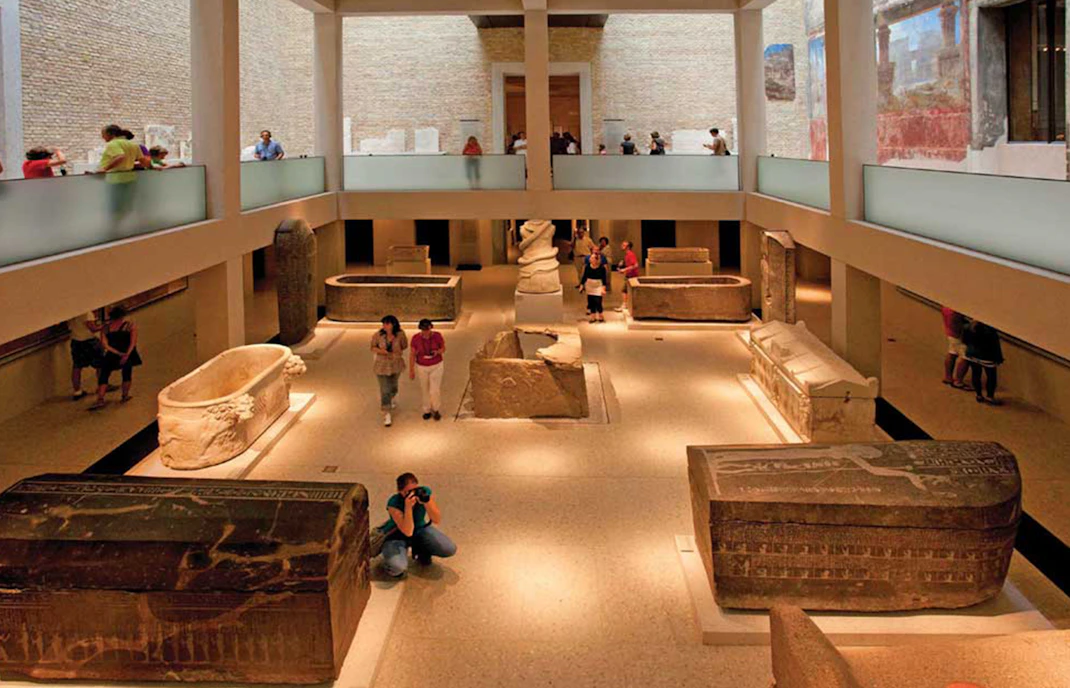
Spanning thousands of years, the collection includes artefacts from statues and jewelry to mummies and sarcophagi. A great way to learn about ancient Egyptian culture, religion, and daily life, highlighting the civilization's extraordinary achievements.

The Prehistory and Early History exhibits
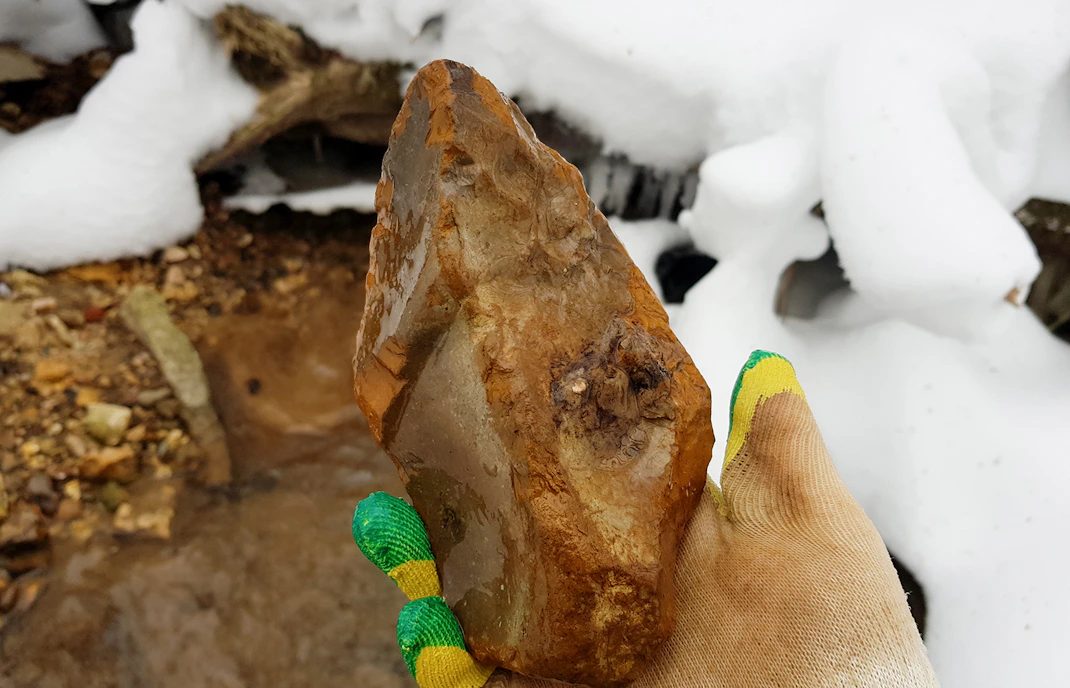
These exhibits offer a detailed journey through human history, featuring artifacts from the Stone Age to the medieval period. Visitors can explore tools, pottery, and remains that tell the story of our early ancestors, offering a deeper understanding of their lives and innovations.

The Assyrian Wall reliefs

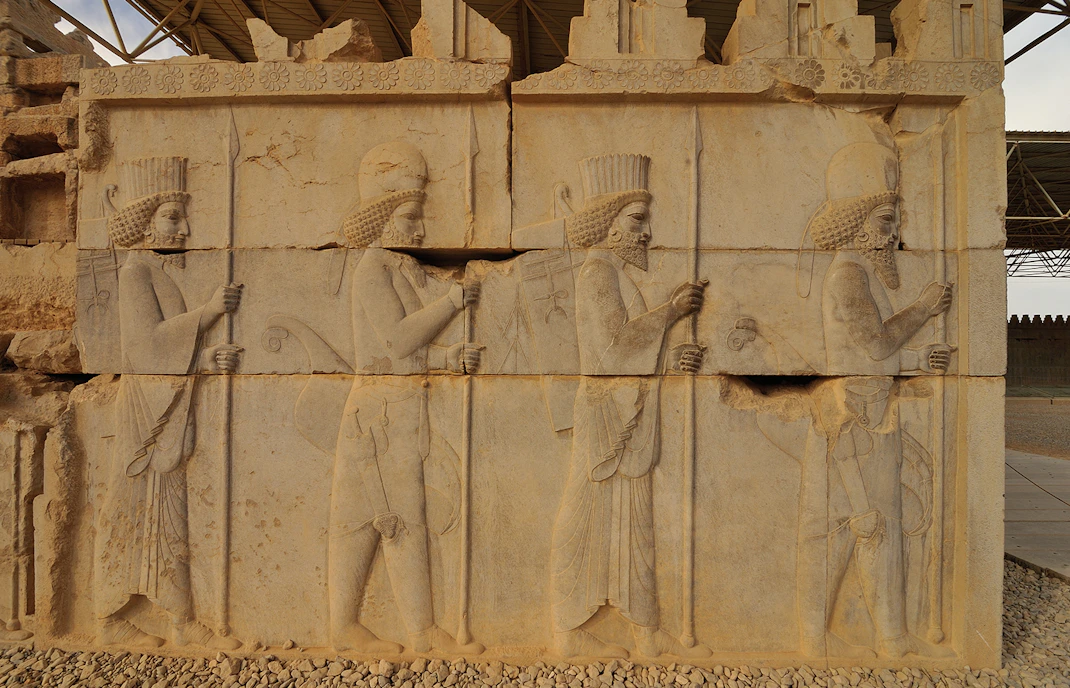
Among the highlights of the museum’s Near Eastern collection are the stunning Assyrian reliefs. These elaborate stone carvings depict royal hunts, battles, and religious scenes, offering a vivid glimpse into the power and culture of the Assyrian Empire, showcasing their artistic sophistication and storytelling ability.

History of the Neues Museum

  • World War II destruction
    The Neues Museum faced severe damage during World War II bombings. Much of its structure was destroyed, and its collections were scattered or lost, leaving the museum in ruins for several decades.
  • Cold War stagnation
    After the war, the museum remained closed and largely neglected. As Berlin was divided between East and West, the building sat in East Berlin, with little progress made in its restoration due to the political situation and limited resources.
  • A bold restoration
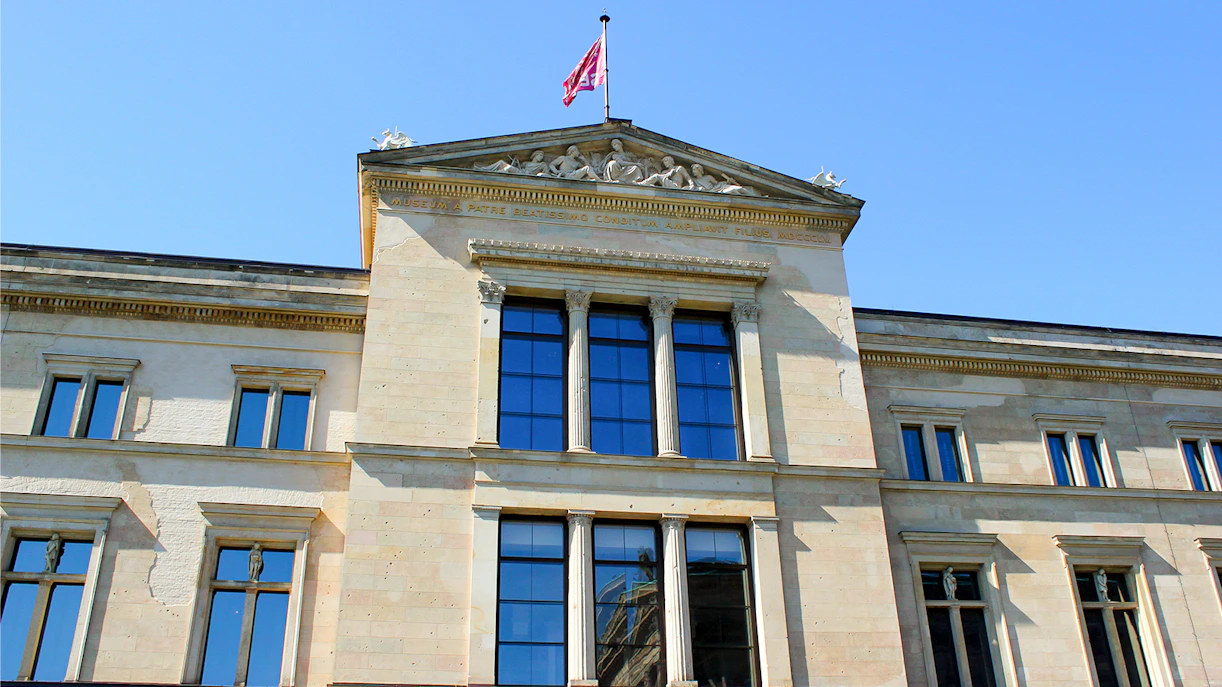
    The museum underwent an extensive restoration beginning in the early 2000s, led by architect David Chipperfield. Reopened in 2009, the Neues Museum now blends its historical legacy with contemporary design, celebrating both its past and future.

Alte Nationalgalerie Architecture

Neues Museum, Berlin, modern,

The museum’s stunning restoration, led by architect David Chipperfield, combines historical preservation with modern design. The juxtaposition of old and new within the museum’s walls makes it a visual masterpiece. The building’s striking architecture is an integral part of the museum experience, preserving the museum’s iconic neoclassical features while introducing contemporary touches.

Frequently asked questions about Neues Museum

The Neues Museum is famous for its world-class collections, particularly the Bust of Nefertiti, ancient Egyptian artifacts, and its impressive Assyrian reliefs.