Museum Island’s five museums were built between 1830 and 1930, reflecting over a century of evolving architectural styles and museum concepts. The vision was to create a unified space for world-class cultural and historical exhibitions.
During World War II, Museum Island suffered significant destruction, with some artifacts lost forever. The Neues Museum, in particular, remained in ruins for decades before its restoration was completed in 2009.
The Bust of Nefertiti, one of the most famous artifacts in Museum Island’s collection, was hidden away during World War II to prevent destruction. It was rediscovered after the war and eventually displayed in the Neues Museum, where it remains today.
The museums of Museum Island
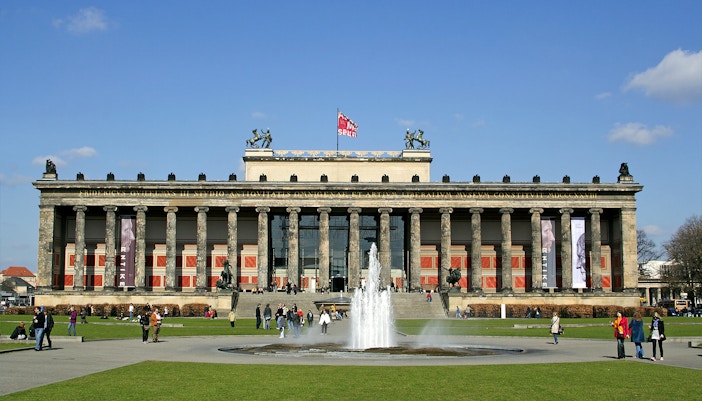
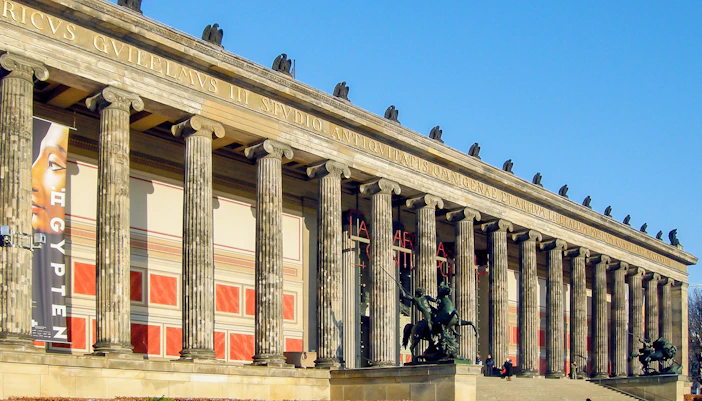
Altes Museum
The Altes Museum showcases an incredible collection of classical antiquities, featuring artifacts from ancient Greece, Rome, and the Etruscan civilization.
Highlights include the famous Berlin Goddess statue, gold and silver jewelry from antiquity, and a vast collection of coins from the 7th century BC to the late 3rd century AD.
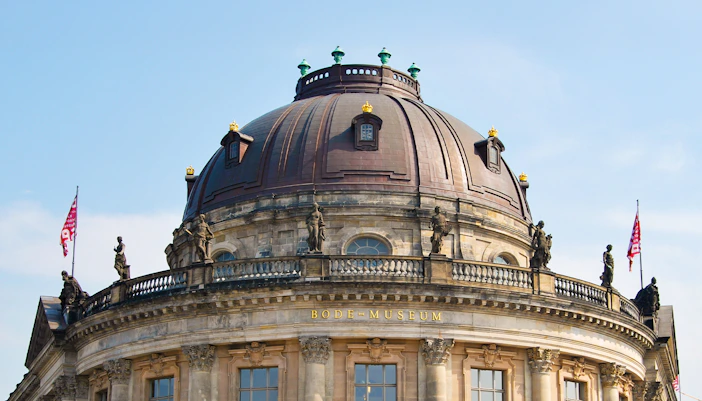
Bode Museum
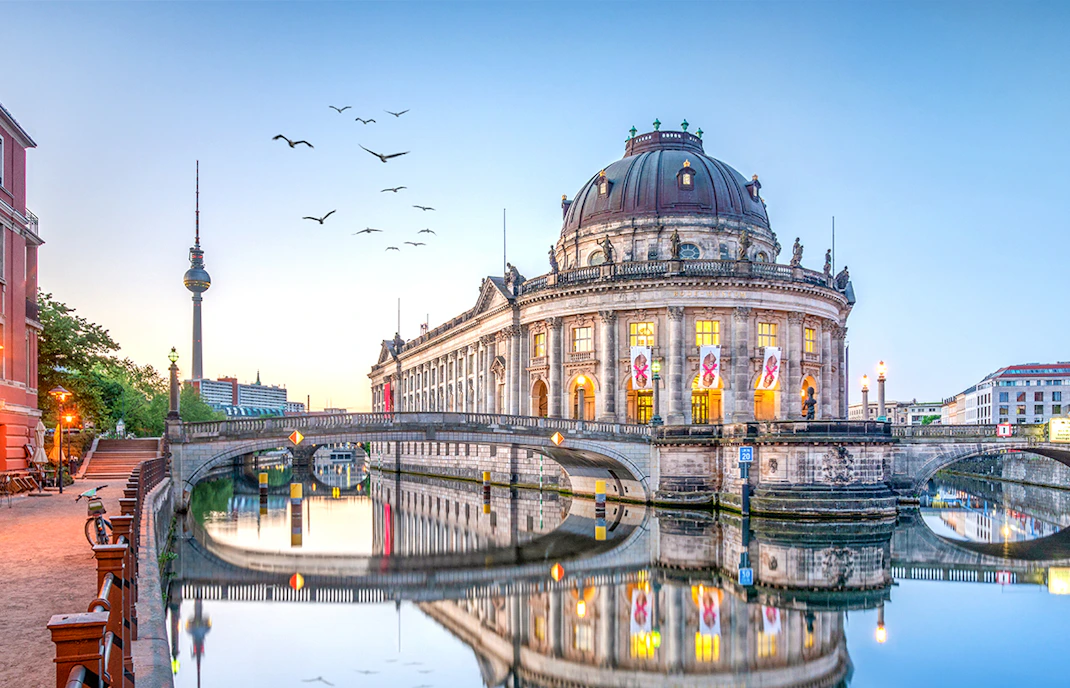
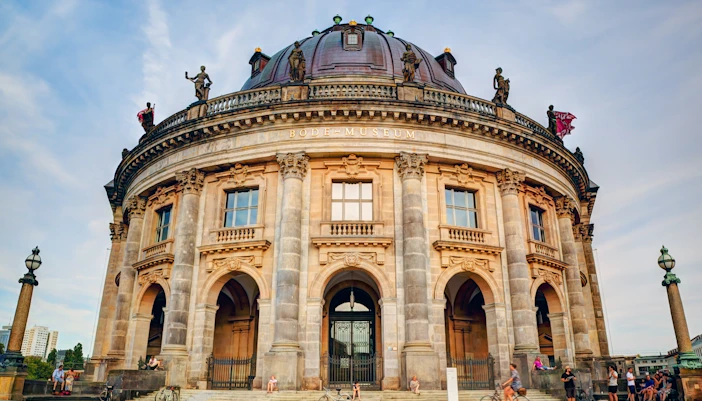
The Bode Museum is known for its sculpture collection from the Middle Ages to the 18th century, Byzantine art, and one of the world's largest coin collections (Münzkabinett).
Don't miss standout pieces like Donatello's Pazzi Madonna and intricate Byzantine mosaics.
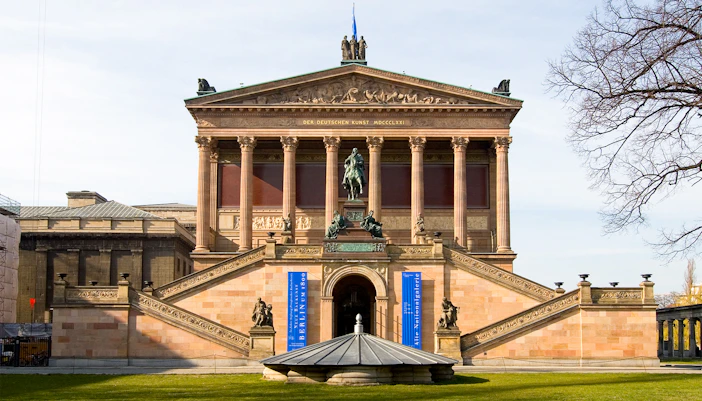
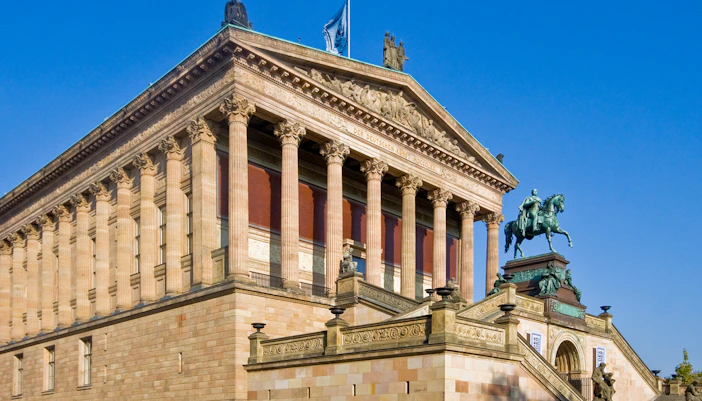
Alte Nationalgalerie
The Alte Nationalgalerie displays 19th-century European paintings and sculptures, with works by Caspar David Friedrich, Adolph Menzel, and Claude Monet.
You'll find masterpieces from Romanticism, Classicism, and early Modernism like Caspar D. Friedrich’s The Monk by the Sea and Arnold Böcklin’s The Isle of the Dead throughout its galleries.
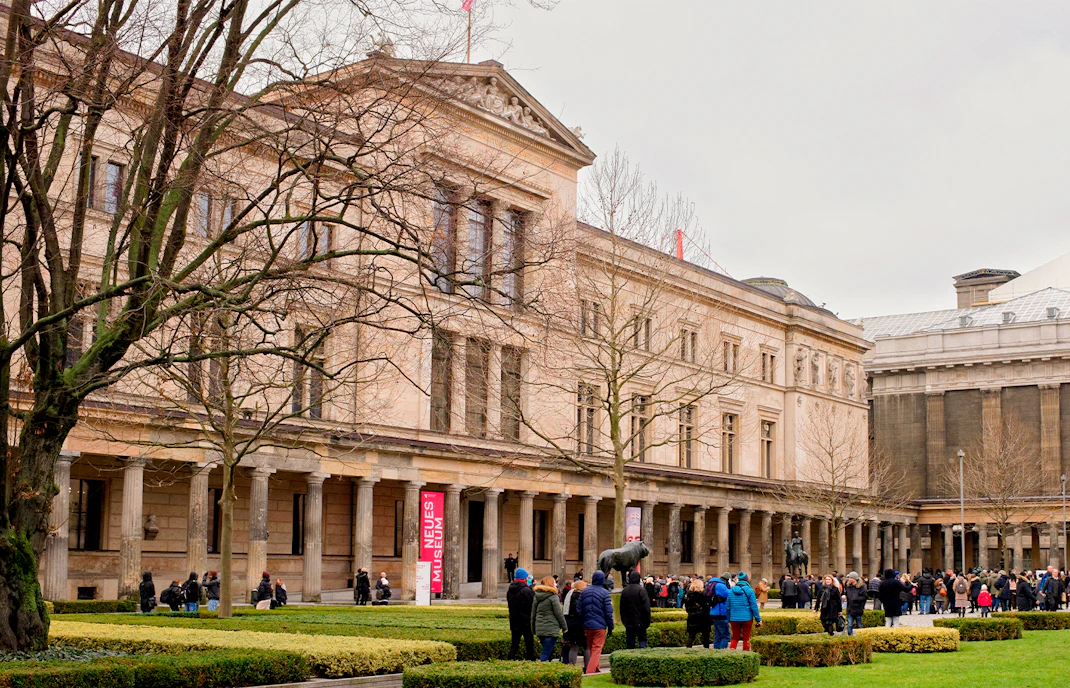
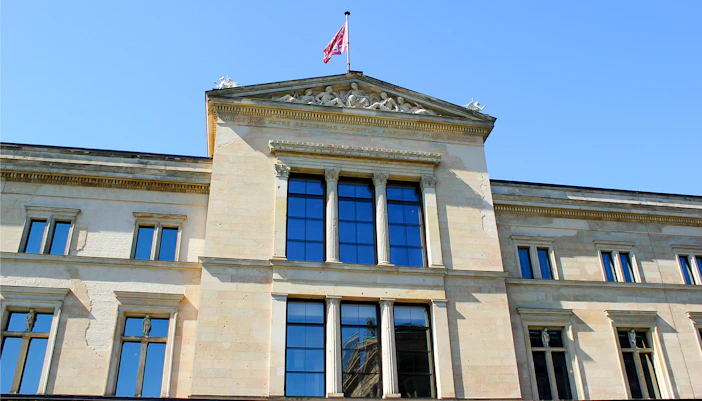
Neues Museum
The Neues Museum is home to the Egyptian Museum and Papyrus Collection, featuring artifacts from ancient Egypt.
It also displays prehistoric and early history collections, including Bronze Age artifacts and ancient Germanic relics.
Its star exhibit is the iconic 14th century BC Bust of Nefertiti, alongside other treasures like the Berlin Golden Hat.
Pergamon Museum (closed until 2027 due to renovations)
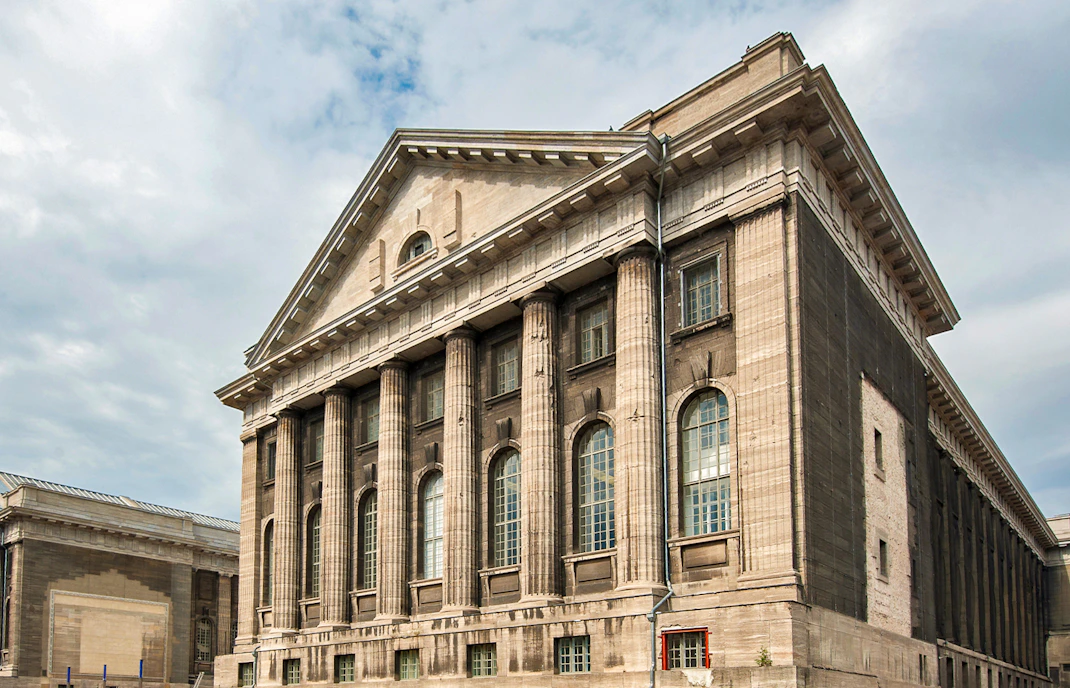
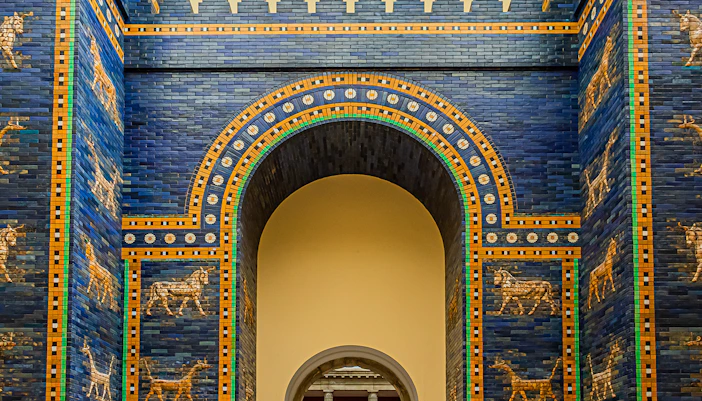
The Pergamon Museum is famous for massive reconstructions of Greek and Roman monuments like the Pergamon Altar, Ishtar Gate, and Market Gate of Miletus.
It also houses the Museum of Islamic Art and treasures from the Middle East, including ancient Babylonian and Assyrian artifacts.
The museum is currently undergoing extensive renovations with some of its artifacts displayed in the "Pergamonmuseum: The Panorama" exhibition on Museum Island.
Lesser-known artifacts and unique exhibits to look out for
Berlin Gold Hat Located in the Neues Museum, it is a rare Bronze Age artifact with intricate decorations, possibly used for astronomical calculations.
Etruscan artifacts The Altes Museum features a collection of Etruscan art, shedding light on this ancient Italian civilization.
Head of Queen Tiye at Neues Museum It is a finely detailed bust of Queen Tiye, wife of Pharaoh Amenhotep III, showcasing the artistry of Egypt’s 18th Dynasty.
Odin, Urns, and Looted Art Room Neues Museum showcases a unique exhibition featuring original 19th-century wall paintings depicting Nordic mythological scenes.
The Princesses Group Located in the Alte Nationalgalerie, this sculpture by Johann Gottfried Schadow depicts the Prussian princesses and is a neoclassical masterpiece.
Portraits of Julius Caesar and Cleopatra These ancient Roman portraits at the Altes Museum offer a glimpse into the real faces of two of history's most iconic figures.
Romantic Era paintings The Alte Nationalgalerie houses works by lesser-known yet exceptional artists of the Romantic period, offering a diverse perspective on 19th-century art.
Menzel's The Iron Rolling Mill, 1872–75 Housed within the Alte Nationalgalerie, this painting by Menzel captures the intense labor inside an iron mill, highlighting the industrial advancements of 19th-century Germany.
Manet's In the Conservatory, 1878–79 Manet's painting portrays a fashionable couple in a conservatory, reflecting the social dynamics of Parisian society. This artwork is also housed in the Alte Nationalgalerie.
History of Museum Island in Berlin
Origins
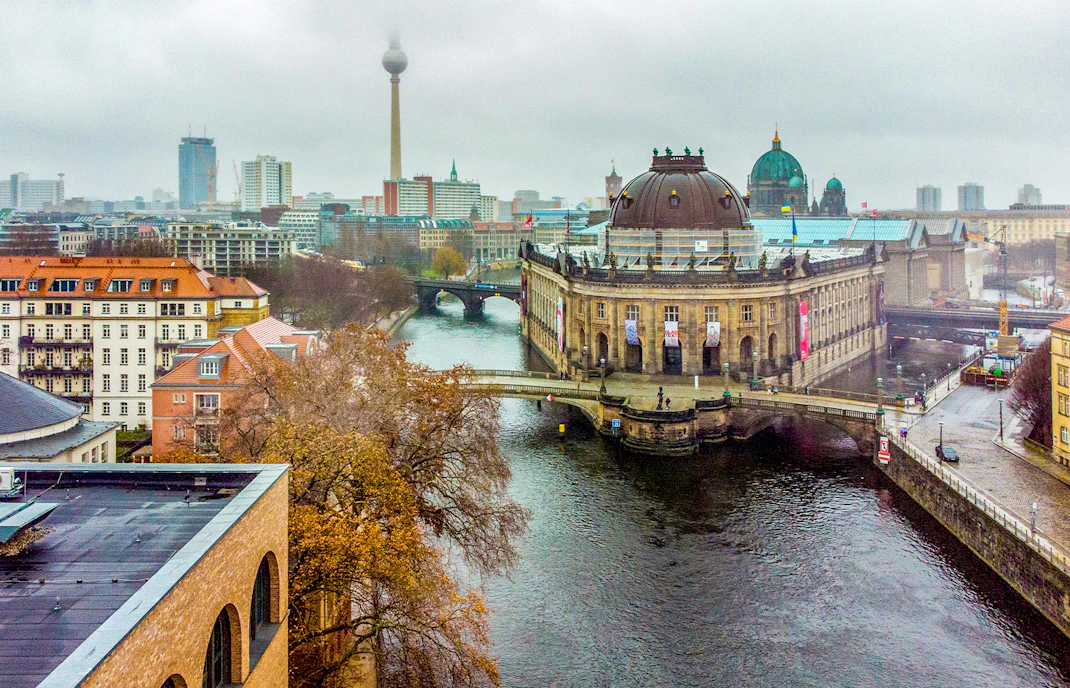
Museum Island's story began in the early 19th century with the vision of King Friedrich Wilhelm IV, who dreamed of creating a dedicated space for art and culture in Berlin.
This dream took shape in 1830 when Karl F. Schinkel, Prussia's most celebrated architect, designed and completed the Altes Museum, the first of what would become a collection of world-class museums.
Over the next century, Berlin's cultural heart expanded, with the Neues Museum, Alte Nationalgalerie, Bode Museum, and Pergamon Museum rising along the banks of the River Spree. By the late 1870s, this cluster of institutions was officially named Museum Island.
Destruction and renovations
The island's fate took a dark turn during World War II. Heavy bombing left much of it in ruins, with the Neues Museum nearly destroyed. For decades, the divided city of Berlin put restoration on hold, leaving the once-glorious museums in a state of neglect.
Finally, after Germany's reunification in 1990, a master plan was launched to restore the entire ensemble. Architect David Chipperfield led the reconstruction of the Neues Museum, while the Bode Museum, Alte Nationalgalerie, and Pergamon Museum underwent extensive renovations.
Today, Museum Island is a UNESCO World Heritage site, preserving art, history, and culture for generations.
Museum Island's architecture is as fascinating as the collections inside. Each museum reflects a unique design that enhances its curated collections.
The Altes Museum
The Altes Museum, designed by Karl Friedrich Schinkel, is a masterpiece of neoclassical architecture. Its grand Ionic columns and Pantheon-inspired rotunda provide a fitting backdrop for the classical antiquities housed within.
The Neues Museum
The Neues Museum, constructed in the mid-19th century by Friedrich Stüler, suffered extensive damage during World War II. Later it was reconstructed by David Chipperfield, who seamlessly merged the historic ruins with modern design elements.
Alte Nationalgalerie
The Alte Nationalgalerie, also designed by Friedrich Stüler, resembles a Greek temple. It features a grand staircase and Corinthian columns that mirror the 19th-century art it showcases, providing a cohesive aesthetic experience.
Bode Museum
The Bode Museum, designed by architect Ernst von Ihne, is a Neo-Baroque edifice with a Baroque Revival dome. Its unique triangular footprint at the northern tip of Museum Island makes optimal use of the available space, creating a symmetrical structure that seems to rise from the water.
Pergamon Museum
The Pergamon Museum, built by Alfred Messel and later Ludwig Hoffmann, is renowned for housing monumental reconstructions such as the Pergamon Altar and the Ishtar Gate. Its Stripped Classicism architectural design accommodates these large-scale artifacts. The museum is currently undergoing renovations.
James Simon Gallery
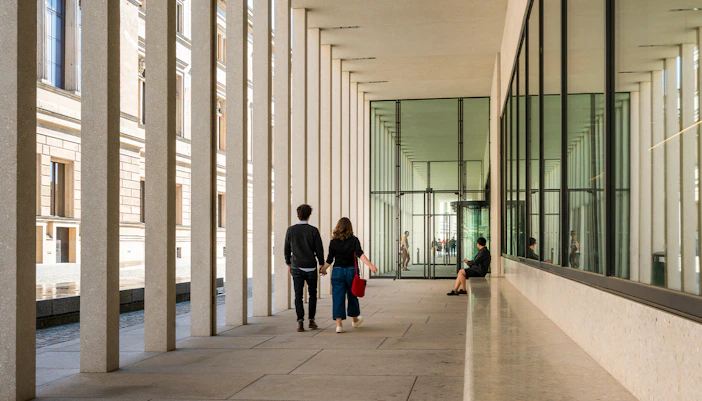
Serving as the modern gateway to Museum Island, the James Simon Gallery was designed by David Chipperfield. Its minimalist colonnade and sleek design provide a modern contrast to the island's historic structures, functioning as a central reception area that connects visitors to 4 of the 5 museums.
Frequently asked questions about Museum Island Berlin
Museum Island gets its name because it is home to five world-renowned museums built on an island in the Spree River.
Its diverse collections, architectural beauty, UNESCO status, and preservation of world history make Museum Island one of the most significant cultural sites in the world.
The Neues Museum is perfect for history lovers, featuring Egyptian, prehistoric, and early human artifacts, including the famous Bust of Nefertiti and ancient Papyrus collections.
The Pergamon Museum is the largest. It is 21 acres (8.6 hectares) in size, including a 56 acre (22.5 hectare) buffer zone.
The Altes Museum, built in 1830, is the oldest museum and houses ancient Greek and Roman antiquities.
The Alte Nationalgalerie is the top choice for art lovers, featuring 19th-century European paintings and sculptures, including works by Caspar David Friedrich, Adolph Menzel, and Claude Monet.
Beyond exploring the museums, you can unwind in Lustgarten Park, enjoy a scenic boat tour on the River Spree, or admire the stunning Berlin Cathedral. Stop by the James Simon Gallery for an overview of Museum Island's history.
The Neues Museum houses the Bust of Nefertiti, one of the most famous and well-preserved Egyptian artifacts in the world.
While not on Museum Island, the Humboldt Forum, located nearby, focuses on Berlin's history, colonialism, and global cultures, complementing the Museum Island experience.
Yes! The architecture and river views make it a favorite spot for photographers, though some indoor exhibits may have photography restrictions.