Everything To Know About Berlin Public Transportation Zones & How To Get Around

Berlin has the most extensive and elaborate public transportation network, which is divided into three fare zones: A, B and C. These are called the 'fare zones' because the amount you pay for travelling using public transport is determined by the distance you cover in each zone. Not sure what this means? Read on to know more about the Berlin public transport zones, and how your Berlin WelcomeCard helps in ensuring your journey is simple and inexpensive.

What are the Berlin Public Transport Zones?

Berlin Public Transportation Zones

In Berlin, the fare zones refer to the divisions used by the public transportation system to determine fares based on the distance traveled within the city. The city's public transportation network, operated by Berliner Verkehrsbetriebe (BVG), consists of buses, trams, underground (U-Bahn), and urban trains (S-Bahn).

Berlin is divided into three fare tariff zones: A, the central Berlin zone, B, the outer Berlin zone, and C, the Berlin outskirts zone. Each zone represents an area within the city and extends beyond the city limits.
How does this work?
When traveling within Berlin's public transportation system, you will need a ticket that corresponds to the zones you'll be traveling through. The fare you pay depends on the number of zones crossed during your journey. The more zones you travel through, the higher the fare.

Berlin Transport Zones Explained

Download Map

Berlin Transport Zones Explained

Zone A

Berlin's central zone includes major landmarks like Alexanderplatz and Brandenburg Gate. It covers the city center and is ideal for exploring popular tourist attractions and key commercial areas.

Zone B

The outer parts of Berlin fall within Zone B. Neighborhoods like Prenzlauer Berg, Kreuzberg, and Charlottenburg are covered, offering a mix of residential, cultural, and entertainment areas.

Zone C

Zone C extends beyond Berlin's city limits and includes places like Potsdam and Schönefeld Airport. It encompasses the outskirts of Berlin and extends into neighboring towns and areas outside the city.

Depending on the transit zones, the three Berlin fare zones are AB, BC, and ABC. The urban core of Berlin and the region up to the city borders are both included in the fare zone AB. In addition, the area around Berlin, BER Airport, and Potsdam Central Station are included in the ABC fare zone.

Berlin Public Transport Operating Times

Berlin Public Transportation Zones

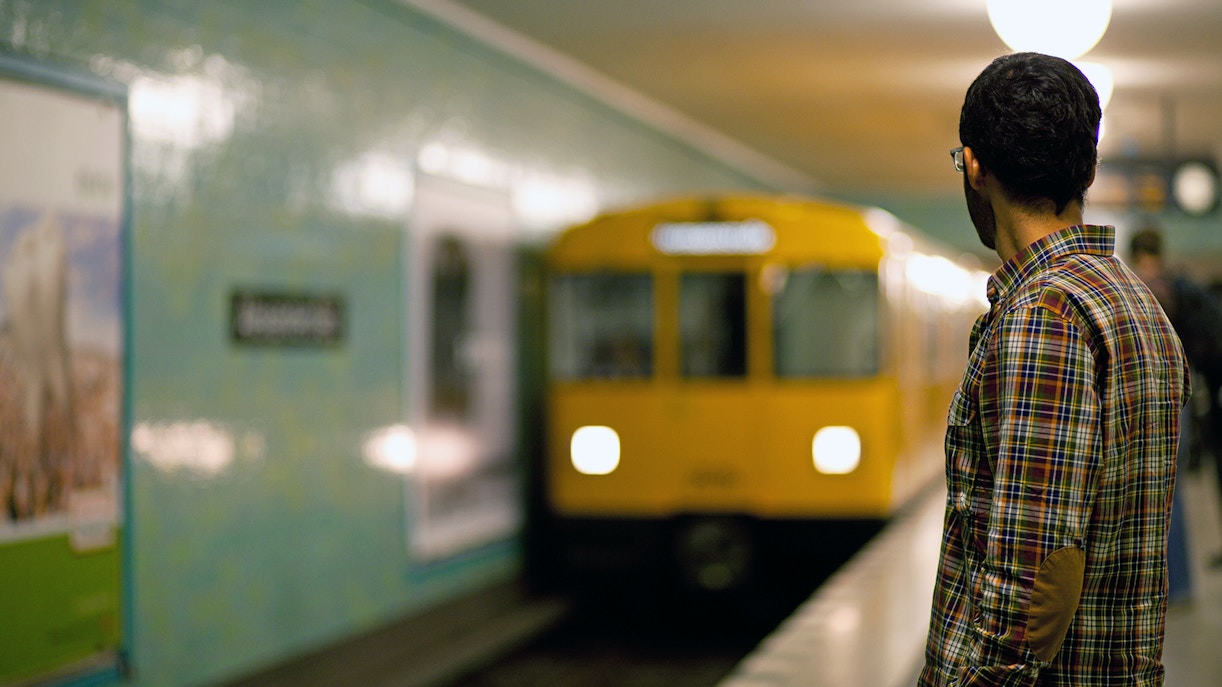
On weekdays, Berlin's U-Bahn operates from 4:30 a.m. to 12:30 a.m. There is limited service available around-the-clock on weekends and holidays. Within the city centre, it operates every five to ten minutes. After 8 pm, the U-Bahn runs every 10 to 15 minutes, with night buses taking over.

Berlin Public Transportation Zones

The S-Bahn operates from 4:30 a.m. to 1:30 a.m. on weekdays. It operates around-the-clock on weekends and holidays. Train frequency is at least every ten minutes, however it decreases to ten and twenty minutes outside of peak times and to every thirty minutes at night.

Berlin Public Transportation Zones

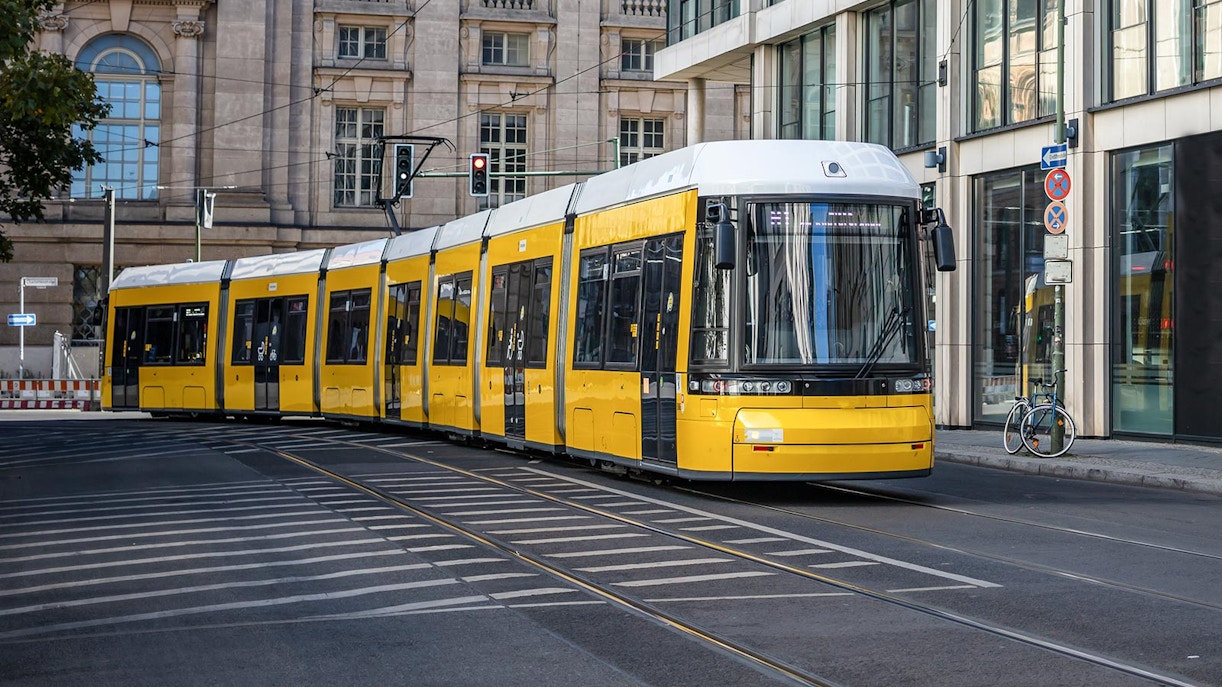
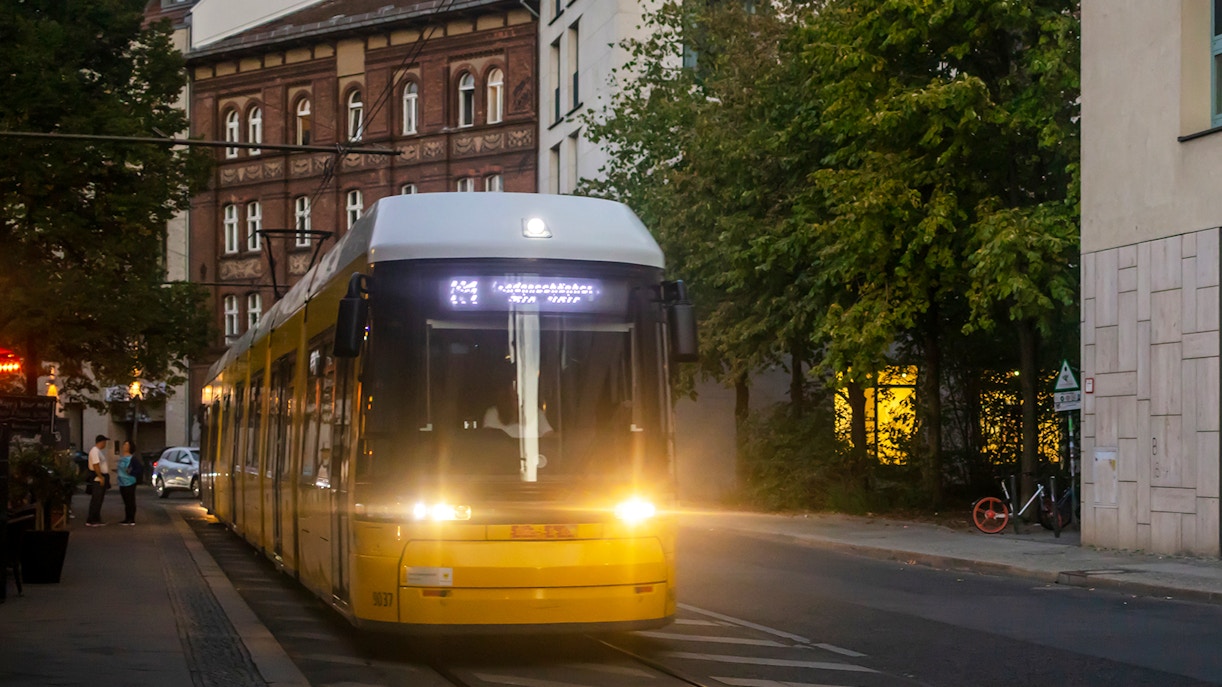
Tram lines snake through the city and operate round-the-clock to provide higher frequency service (every 10 minutes or such). Trams run every half-hour at night.

Berlin Public Transportation Zones

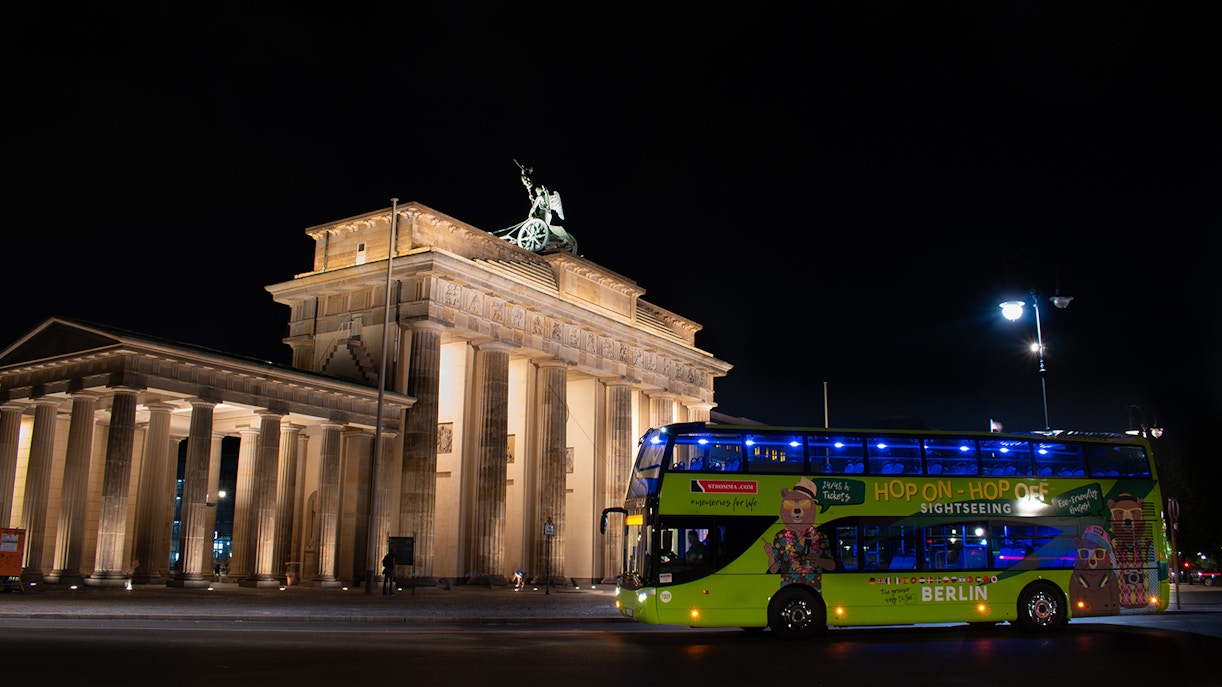
When other forms of transportation stop operating, Night Buses take over. They leave every 30 minutes and are identified by the letter N.

Tips for Using Berlin Public Transportation

  • Luggage etiquettes- Riders who place their luggage on the seats of a crowded train are not appreciated by Berliners, so keep your stuff at designated spots.
  • Understanding the differences between the U-Bahn and the S-Bahn- S-Bahn stands for Stadtbahn (city train), and U-Bahn stands for Untergrundbahn (underground railway). During rush hour, the U-Bahn runs every two to three minutes and is generally more dependable. The S-Bahn is occasionally infamous for being late; during the winter, it has even been known to totally shut down.
  • The Nachtbus saves the day- When the U-Bahn, S-Bahn, and regular bus lines shut down for the night between 1 a.m. and 5 a.m., the Nachtbus (night bus) takes over and costs the same for a regular ticket.
  • Stamp It- To avoid receiving a €60 fee, you must verify and stamp your ticket once you purchase it before boarding the train at a validating box.
  • Cards not accepted- The U-Bahn and S-Bahn ticket machines do not take credit cards, as is frequently the case in Berlin. Any coin worth ten cents or more, as well as Euros 5, 10, and 20, are accepted by the machines.

Explore things to do with Berlin WelcomeCard

Must-Have Berlin Public Transportation Apps

  • BVG Jelbi- BVG Jelbi is one app with access to all of Berlin's public transportation and sharing options from public transportation, taxis, carsharing, e-scooters, mopeds, or bicycles in the city.
  • Taxi.EU.- This app is ideal for travellers who are visiting several nations because it enables you to reserve a taxi in any European city.
  • BVG Tickets- It is the official Berlin city transportation map and ticket purchasing app. All modes of transportation, including buses, trains, subways, and trams, are depicted on the BVG Fahrinfo app's maps of the city.
  • DB Navigator- The Deutsche Bahn Navigator offers current information on bus, tram, and train schedules. The app also allows you to check fares and buy tickets.
  • Berlin Subway- For travelling the U-Bahn and S-Bahn, Berlin Subway is the finest app. The free app features a route planner and an official BVG map to make navigating Berlin easier.
  • Flix Train and Flix Bus- Flix Bus and Flix Train, provide inexpensive connections to buses and trains throughout Germany and Europe. The app offers information on schedules, routes, and prices. The best part is that Flix Bus provides a QR code for each route, allowing you to purchase tickets online without having to dig through your wallet or purse.

Frequently Asked Questions About Berlin Public Transportation

Buses, trams, light-rail trains (S-Bahn), subways (U-Bahn), Metros, Ferries, Taxis and other forms of public transportation are all part of Berlin's broad, robust and well-developed public transportation system. Public transit ensures quick, pleasant, and safe travels to the city centre or outlying areas.