Unlike the busy Spree River tours in the city center, the Havel River Cruise offers a calm, open-air journey through Berlin’s leafy southwestern edge. This is where the city slows down, with lakes, tree-lined shores, forested walking trails in Grunewald, picnic spots along the riverbanks, and lakeside cafés.
Discover Berlin’s waterside wonderland: The Havel
If you’re looking to enjoy a leisurely, quiet glide through the heart of Berlin’s green fringe, the Havel River should top your list. Tucked in northeastern Germany, the Havel winds through lakes, forests, and wooded nature reserves, flowing past old towns across Brandenburg and Berlin, unlike the bustling Spree that flows through Berlin’s city center. It begins in the Mecklenburg Lake District and stretches for over 325 km, but its most scenic stretch lies in southwest Berlin, where water and woodland meet.
Course of the river
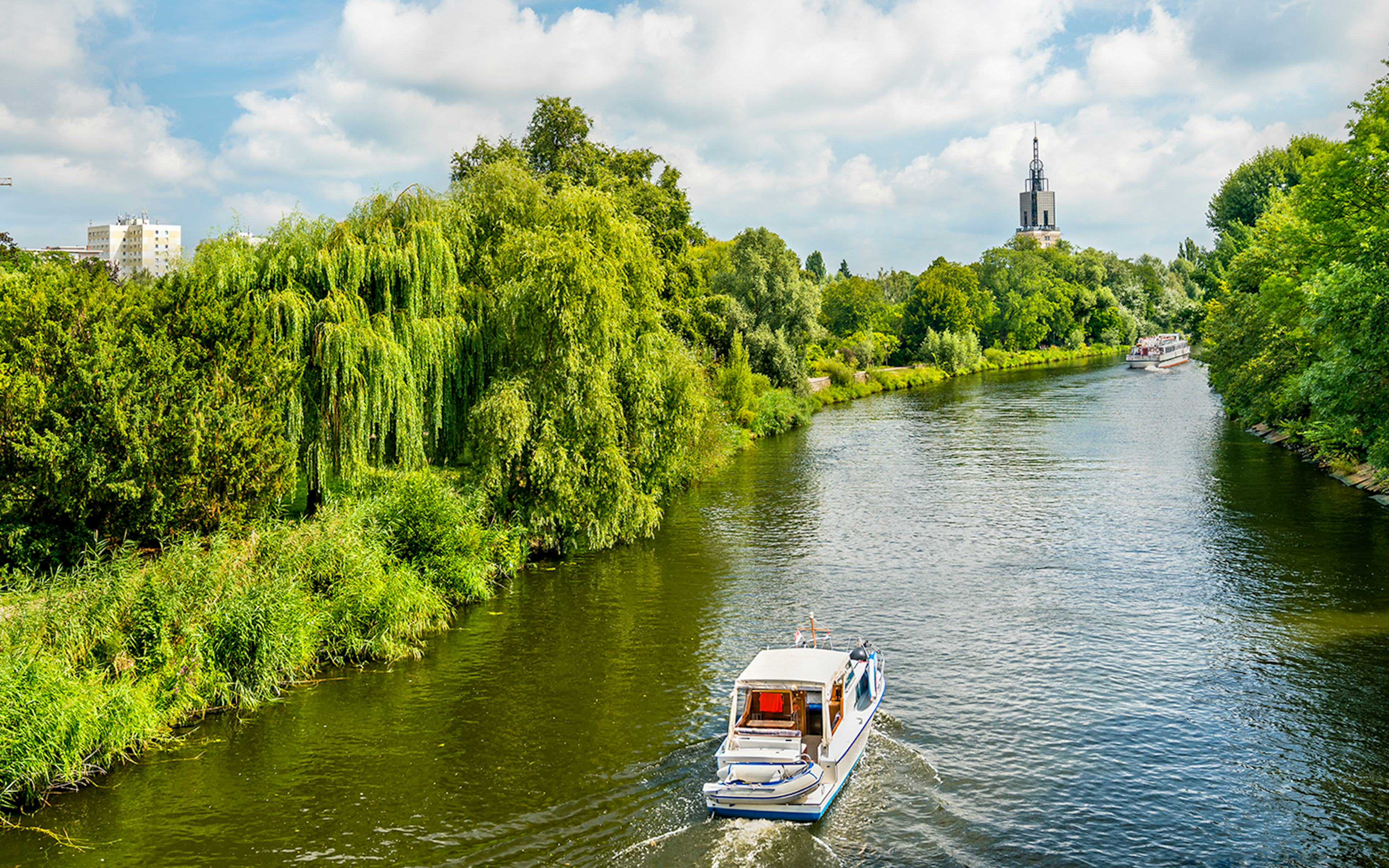
1/2
Source
The Havel River originates at the confluence of two small streams in the Mecklenburg Lake District: the Schwarzer Graben and the Elde. It flows southward through a series of lakes, including the Müritz, the second-largest lake in Germany. It then passes through the city of Brandenburg an der Havel, the river’s namesake.
Outflow
The river continues through the landscapes of the Havelland region, dotted with numerous lakes and nature reserves. It eventually reaches bustling Berlin, where it forms a series of lakes including Tegeler See (Lake Tegel) and Großer Wannsee. The Havel then joins the Elbe River near Havelberg, marking the end of its course.
Why the Havel river cruise stands out
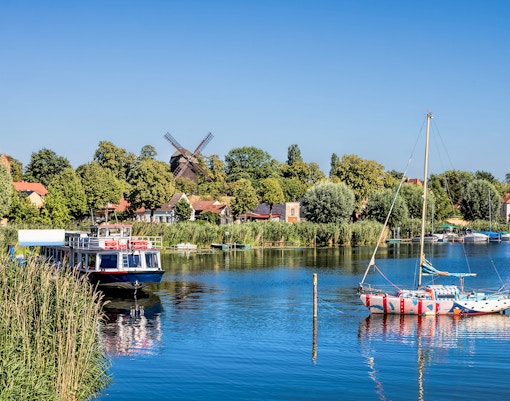
Escape from urban Berlin
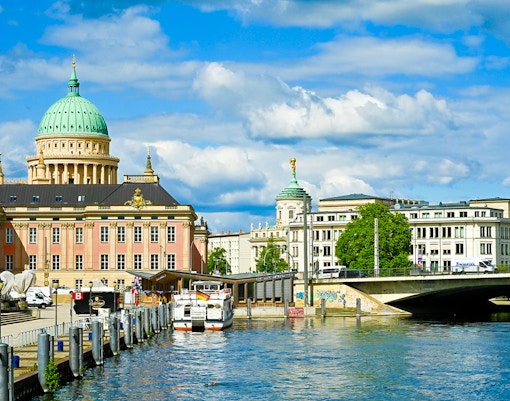
Where nature and history flow side by side
As your boat glides through lakes like Kleiner Wannsee, Griebnitzsee, and Jungfernsee, you’ll see more than just scenery. You’ll pass wooded banks, historic estates, Cold War-era landmarks, and secluded diplomatic villas, all lining what was once the border between East and West Berlin.
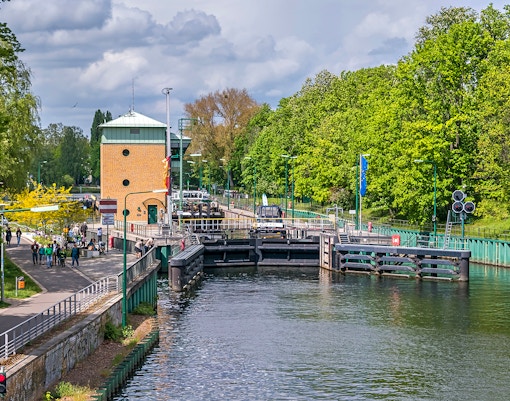
Lakescapes unique to this route
The Havel River connects a chain of glacial lakes in southwest Berlin, creating water views you won’t find on central canal cruises. Expect long reflections, island silhouettes, and dramatic light shifts over wide expanses of water, especially striking in the late afternoon.
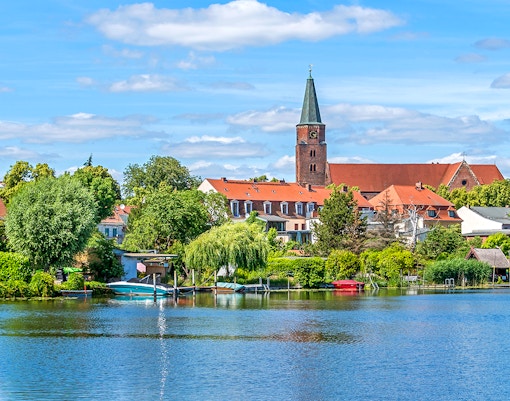
Architectural landmarks seen only by boat
From the water, you’ll glimpse historic lakeside homes and summer residences, some dating back to the Prussian Empire, others built as secret retreats for Cold War officials. Many are private and hidden from roadways, making the Havel cruise the only way to see these gems up close.
What you’ll see from the Havel River
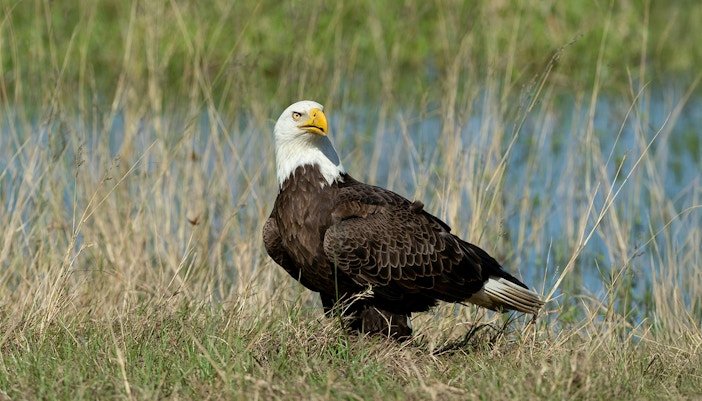
Birdlife
The river’s banks and wetlands provide vital habitats for birds like the white-tailed eagle, osprey, and the endangered European bittern. Its lakes, marshes, and floodplains support fish such as pike, perch, and zander. You’ll also find amphibians like the European tree frog and common spadefoot toad, reptiles like the grass snake, and mammals like deer, wild boar, and the European beaver.
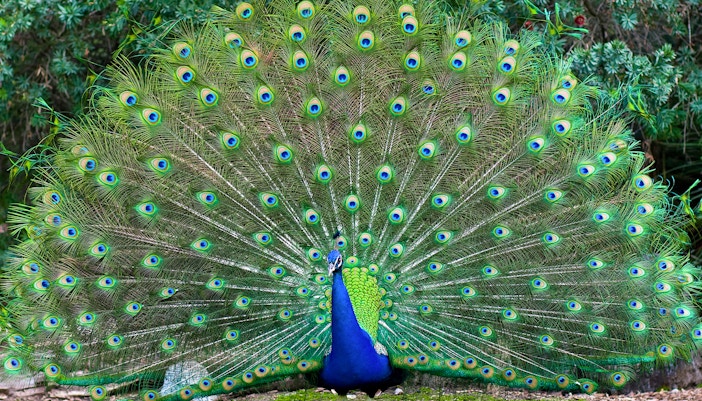
Peacock island (Pfaueninsel)
A UNESCO World Heritage Site in the Havel River, Peacock Island is accessible only by ferry. Once a royal retreat for King Frederick William II, it features a white castle, landscaped gardens, and free-roaming Indian peacocks. The island is also part of a protected reserve with ancient oak trees, rare plants, and diverse birdlife.
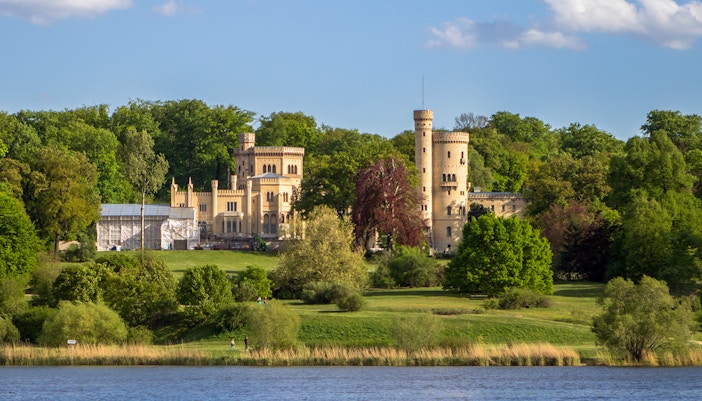
UNESCO-listed sites from a unique vantage point
Cruises on the Havel River offer unobstructed views of several major landmarks, including Glienicke Castle, a neoclassical villa inspired by Italian design; Cecilienhof Palace, where Allied leaders met in 1945 to shape postwar Europe, and Babelsberg Palace, a Gothic Revival residence of Emperor William I.
Bridges
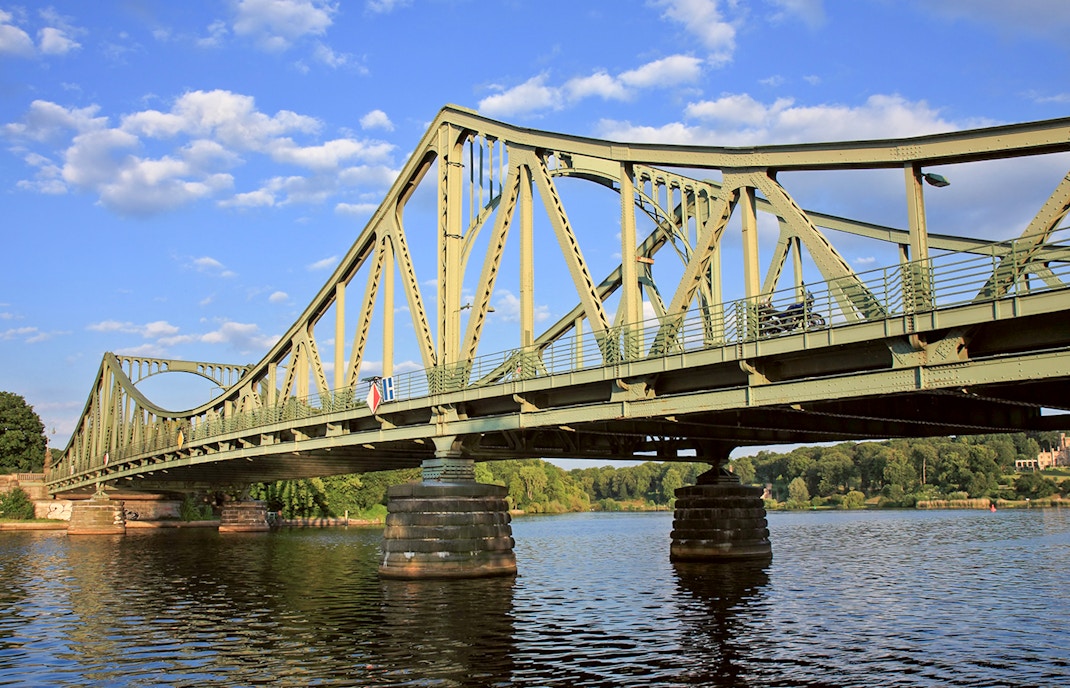
You can spot several notable bridges along a Havel River cruise. The most iconic is the Glienicke Bridge, famously known as the “Bridge of Spies”, which once connected Potsdam and West Berlin and became a key Cold War site for prisoner exchanges. Another highlight is the Kronprinz-Rheinbrücke, admired for its design and detailed stonework.
Chain of lakes
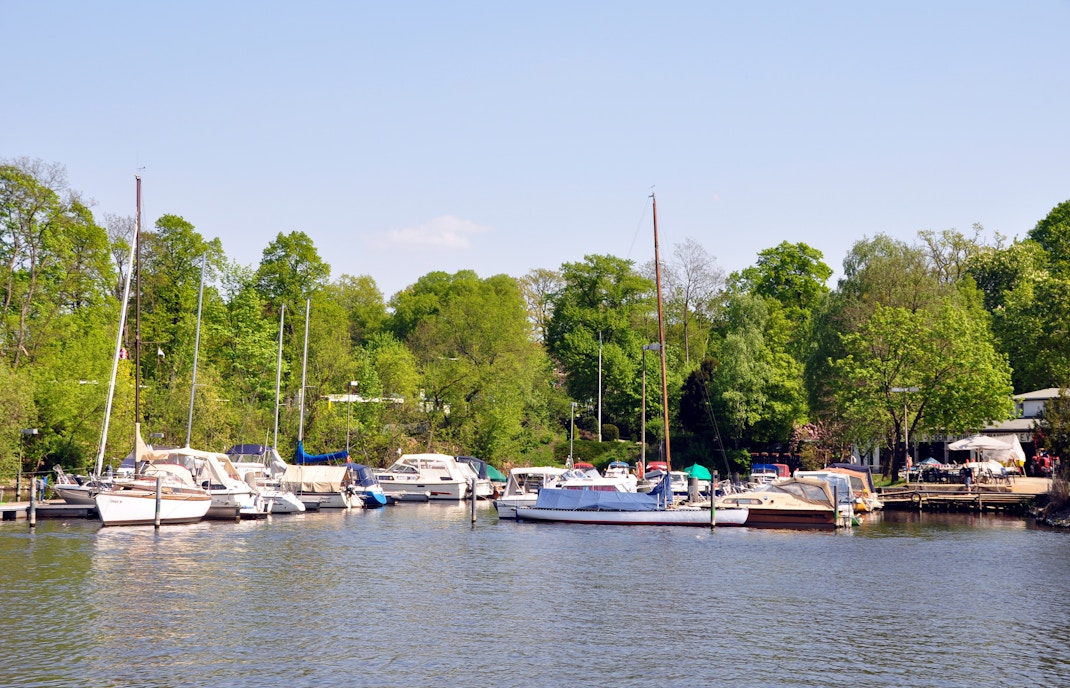
A Havel cruise winds through a chain of lakes and rivers from Berlin to Potsdam. Key highlights include Großer Wannsee and Tegeler See in Berlin, and Jungfernsee, Griebnitzsee, and Kleiner Wannsee near Potsdam. It also passes quieter spots like Groß Glienicker See and links into the wider network of waterways reaching back to the Mecklenburg Lake District.
Things to know about Havel river
- Most Havel River cruises operate between April and late October, with limited departures in early spring and autumn, and extremely rare tours in winter.
- Departure points often include Wannsee, Potsdam Harbor, or Glienicker Brücke. It’s best to check your boarding point details to confirm your departure.
- Onboard services usually include German and English commentary. Some cruises offer printed guides or multi-language audio.
- Cruises are normally wheelchair-accessible on most boats, but access to the top deck or boarding ramps may vary.
- Don’t miss visiting popular attractions like Peacock Island (Pfaueninsel), the House of the Wannsee Conference, or Sanssouci Palace. They’re worth the visit and every bit as precious as the serene lakeside moments you experience onboard.
- Bring binoculars if you enjoy birdwatching. The Havel River corridor is home to a wide variety of birdlife, including herons, grebes, kingfishers, and many other seasonal and migratory species that thrive in its wetlands and forested banks.
- Fun fact! A major Cold War event—the 1962 spy swap of Francis Gary Powers and Rudolf Abel—took place on Glienicke Bridge, which passengers now sail beneath. The repeated prisoner exchanges on this bridge during the Cold War earned it the nickname “Bridge of Spies”.
Plan your visit to Havel river
Most Havel river cruises begin from Wannsee, with other boarding points including piers at Hafen Treptow, and Greenwich promenade at Tegeler See.
- From central Berlin: Take the S-Bahn lines S1 or S7 to S-Bahnhof Wannsee. From there, it’s a 5–7 minute walk to the pier.
- By bus: Bus routes 114, 218, and 316 serve S-Bahnhof Wannsee and the surrounding area.
- Taxi from city center: Approx. 35–45 minutes depending on traffic.
Weekday vs Weekend
- Weekdays: Cruises are generally less crowded, making it easier to find a good seat, especially on the upper deck. The pace feels quieter and more relaxed, ideal for those who want to enjoy the natural scenery without distraction.
- Weekends & Holidays: Great for a lively atmosphere but less peaceful. Expect more visitors, especially in good weather. Popular time slots may sell out, so make sure you book in advance and arrive early.
Peak Season vs Low Season
- Peak Season (May–September): This is the most popular time to cruise the Havel. The lakes and banks are lush and green, daylight hours are long, and full tour schedules run daily. It’s perfect for photography, outdoor seating, and catching reflections on the water.
- Low Season (October–April): While many cruises reduce frequency, the atmosphere becomes more tranquil. Late autumn brings colourful foliage, and winter cruises offer quiet landscapes and a more contemplative pace.
Frequently asked questions about the Havel River
Expect scenic lakes, UNESCO-listed palaces, the historic Glienicke Bridge, Peacock island, forested shores, and birdlife like herons and kingfishers. You’ll also see villas, cold war landmarks, and local life along the water.
The Havel River begins near Ankershagen in Mecklenburg-Vorpommern and flows into the Elbe River at Havelberg. It stretches for about 325 kilometers (202 miles) through northeastern Germany.
The Havel River has been an important waterway for trade, transport, and recreation for centuries, linking lakes, canals, and major rivers in the region. Historically, it served as a key route for moving goods between inland towns and the North Sea via the Elbe, while today it supports tourism, water sports, and conservation of rich wetland habitats.
Set aside 2–3 hours for a typical cruise. Add more time if you plan to visit nearby places like the Grunewald Forest, Max Liebermann Villa, or Potsdam palaces.
The Havel River is surrounded by nature reserves, historic villas, royal landmarks, and neighborhoods like Wannsee and Nikolassee. It also connects Berlin to Potsdam, with easy access to UNESCO World Heritage Sites.
Cruises mostly run during summer between April and October. Some limited options may be available in late autumn or early spring.
The Havel River flows past city landmarks, quiet lakes, and countryside, offering both urban and rural views. Unlike the Spree, which stays mostly in the city, the Havel passes through nature reserves, historic towns, and UNESCO sites, giving a mix of history and peaceful scenery.


