The smoothest route is simple but time-sensitive: arrive when doors open, head straight through security, check coats, take a quick look at the foyer, then get to your seat at least 10 minutes before the start. That order matters because the biggest squeeze in the final half-hour, when entry, bars, and cloakroom lines all peak at once.
Is Friedrichstadt-Palast worth visiting?
Red velvet seats, mirrored foyers, and a stage so wide it takes a moment for your eyes to settle. Friedrichstadt-Palast feels less like entering a theater and more like stepping into a purpose-built machine for spectacle. When the lights drop, the atmosphere shifts quickly from polite anticipation to full sensory immersion.
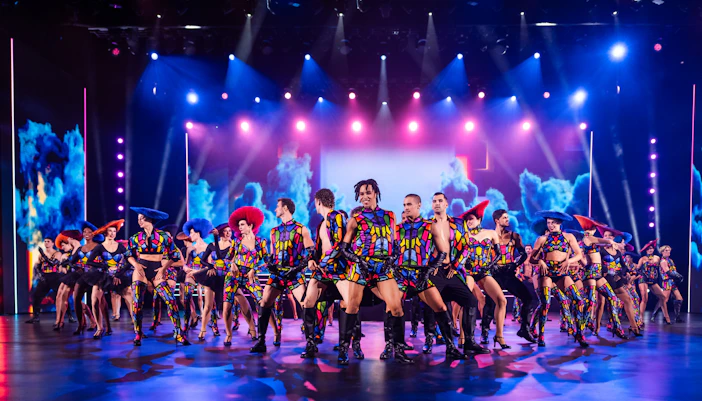
This venue exists for one thing at maximum scale: revue performance as visual theater, where dance, acrobatics, music, and couture-level design carry the emotion instead of dialogue. That ambition shows up in every sightline, rapid costume change, and tightly synchronized ensemble sequence.
The result is less about narrative and more about surrender. What stays with you is the feeling of watching dozens of performers move in perfect formation across the world’s largest theater stage, and realizing Berlin still makes space for this kind of unapologetic grandeur.
Skip it if you prefer quiet, plot-driven drama or find high-intensity, visually dense shows overwhelming.
What to see at Friedrichstadt-Palast?
1/7
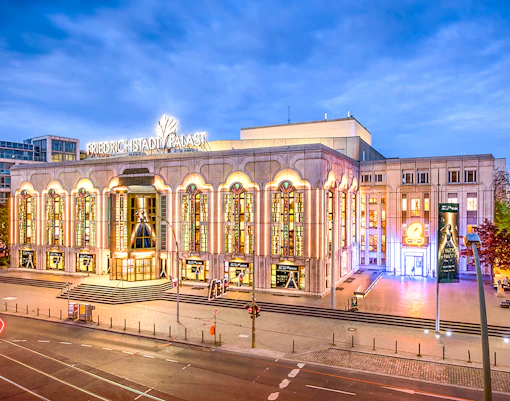
The foyer
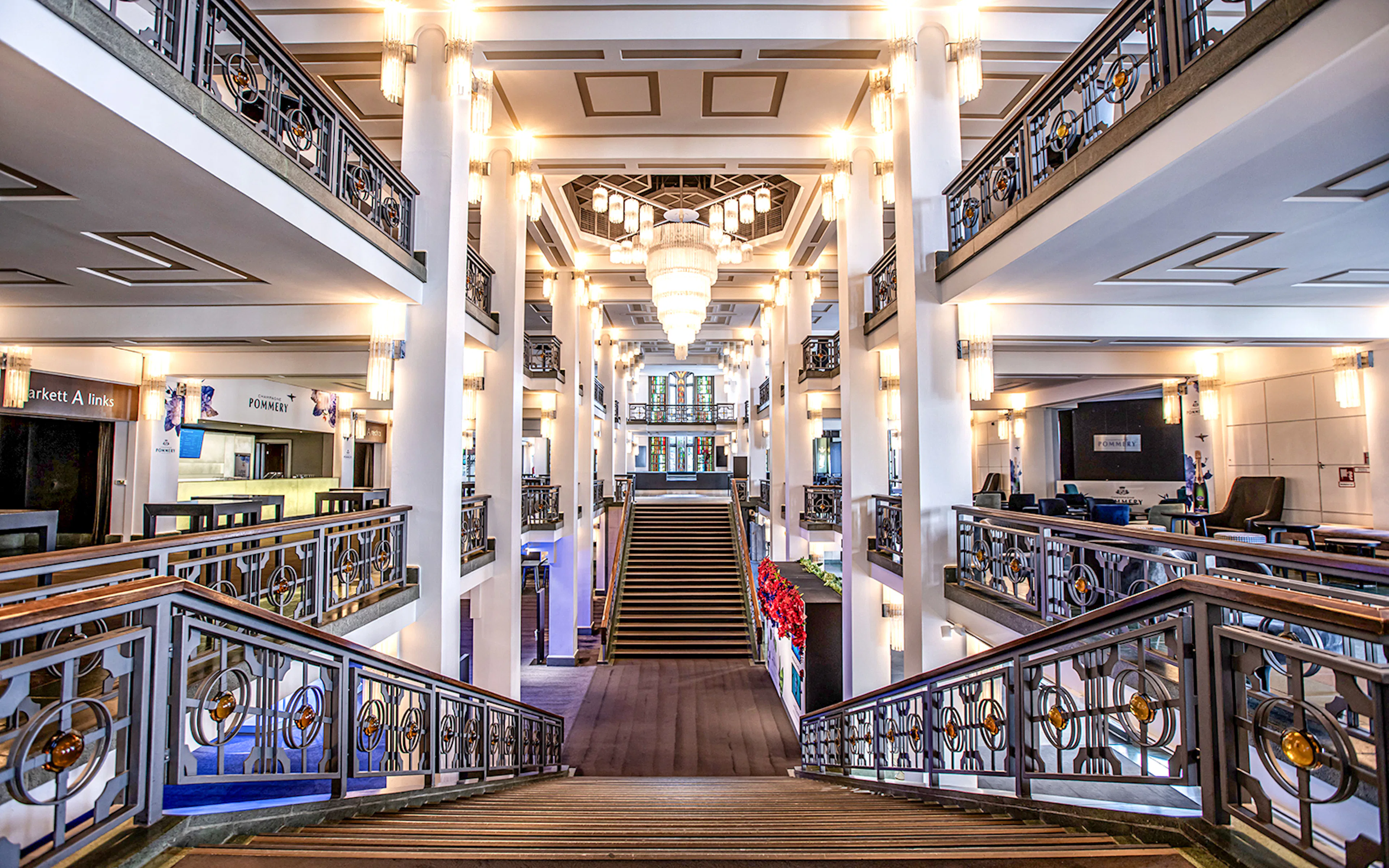
The mirrored foyer and staircases set the tone before you ever reach the auditorium. Arrive early enough to take it in properly; in the last 30 minutes, this space becomes part bar line, part moving crowd.
The auditorium
The auditorium’s scale is the first real surprise: nearly 1,900 seats focused toward an enormous stage. Even rear sections still read well because the rake keeps sightlines open and the choreography is designed for large visual patterns.
The opening tableau
Be in your seat before the lights go down. The opening tableau is often one of the strongest images of the night, and latecomers regularly miss the exact moment the Palast announces its scale.
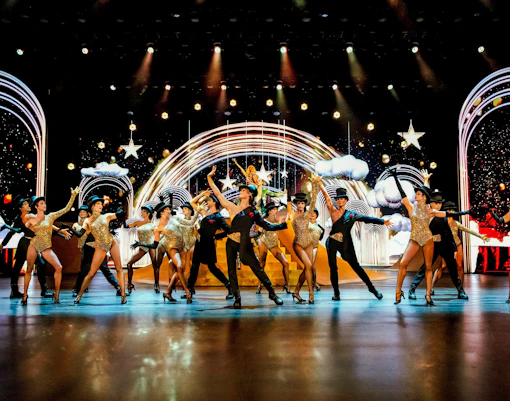
Full-stage ensemble scenes
When dozens of dancers fill the full stage width, you understand what makes this venue different from a standard musical theater. Centered seats make these geometric formations land best, which is why they usually sell first.
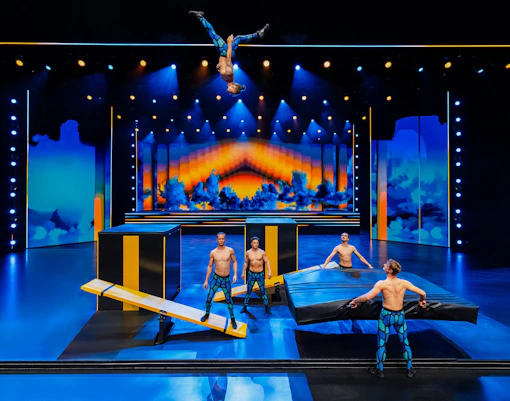
Acrobatic set-pieces
Acrobatic set-pieces break up the dance-heavy sections with real danger and velocity. These are not filler transitions; they shift the room’s energy and usually draw the loudest audience reaction of the evening.
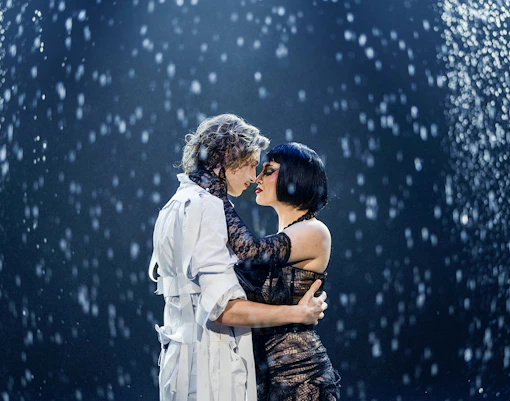
Costume design in BLINDED by DELIGHT
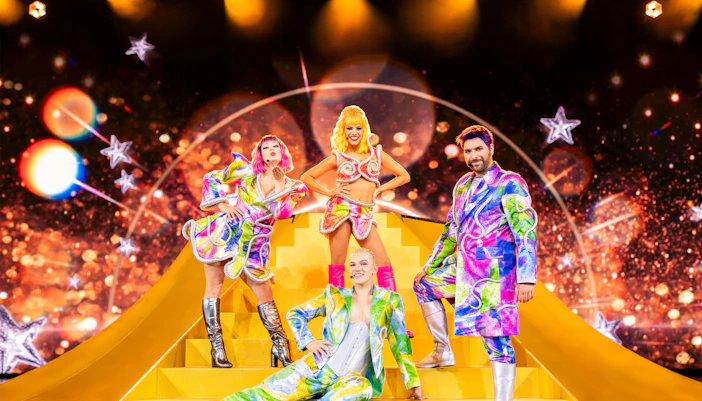
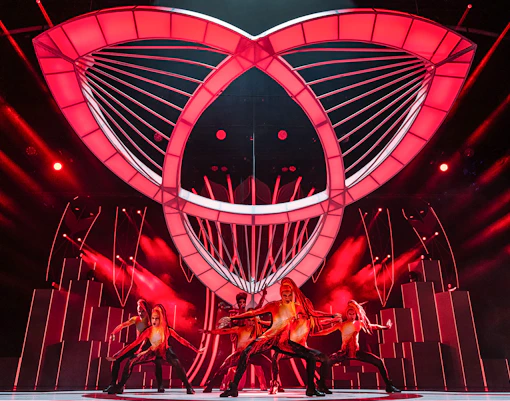
The current Grand Show, BLINDED by DELIGHT, layers high-fashion costuming into the spectacle, with bold silhouettes that remain visually striking even from the back rows. If design interests you, this is one of the production’s richest pleasures.
Intermission atmosphere
Intermission is part of the experience here, especially if you want a drink and a chance to take in the crowd. Restroom lines build quickly, so it helps to head out right when the break starts instead of waiting until midway through.
How to explore Friedrichstadt-Palast
Time needed
Budget 2.5–3.5 hours in total: 2.5 hours covers the full performance, but most visitors are happier with another 30–60 minutes for entry, cloakroom, and a drink before curtain.
Must-see vs optional
- Must-see: The opening tableau, the large ensemble numbers that use the full stage width, and the first moments after intermission, when the show resets its visual scale.
- Optional: A pre-show drink in the foyer or staying after the curtain call for lobby photos; both add about 15–20 minutes.
Guided vs self-paced
Self-paced works best here. The experience is linear, language-independent, and designed to land emotionally in the moment, not through explanation.
Brief history of Friedrichstadt-Palast
- 1919: The original venue opens on Schiffbauerdamm as Max Reinhardt’s Grosses Schauspielhaus, built for mass scale theater in Berlin.
- 1947: After World War II and several changes of use, the house takes on the Friedrichstadt Palast name.
- 1980: Structural problems force the old Palast to close, ending performances in the historic building.
- 1984: The current Friedrichstadt Palast opens on Friedrichstrasse with a vast modern stage and nearly 1900 seats.
- After 1990: Reunified Berlin keeps the Palast as its flagship revue theater, investing in new large format productions.
- Today: It remains Berlin’s highest attendance theater venue, welcoming more than 500000 guests a year.
Architecture of Friedrichstadt-Palast
Style
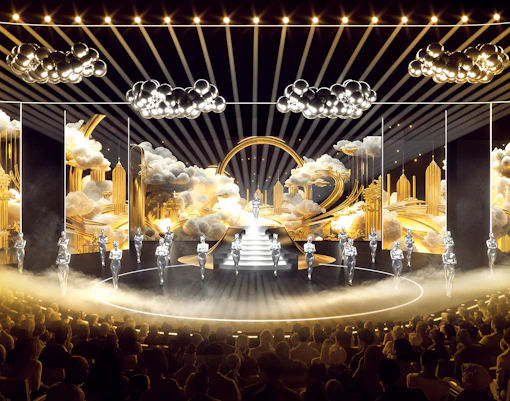
Late Modernist, with the ceremonial scale of a state theater. From outside, it feels broad and formal; inside, the mood shifts to glitter, mirrors, and theatrical anticipation.
Materials
Glass, concrete, metal, and polished interior surfaces give the building its cool 1980s shell, while plush seating, carpeting, and lighting warm the auditorium.
Stage engineering
The real feat is the 2,800 sq m stage, built for mass choreography, flying effects, and fast scene changes that smaller theaters simply cannot stage.

Audience experience
The steeply raked seating keeps sightlines clear even in rear sections, so you still read patterns, color, and scale rather than feeling shut out.
Who built it?
The Palast’s roots lie with theater visionary Max Reinhardt, who opened the original 1919 Grosses Schauspielhaus in a building redesigned by Hans Poelzig. Their ambition was democratic spectacle on a massive scale: serious theater for large audiences, staged with architecture and atmosphere as part of the performance.
The current Friedrichstadt-Palast was a prestige project of East Germany, designed by architect Manfred Prasser and opened in 1984. It was built to prove that revue could still be monumental, technically advanced, and publicly accessible, as much a cultural statement as an entertainment venue.
Friedrichstadt-Palast’s place in Berlin culture
Friedrichstadt-Palast is unusual because it is not just a tourist night out. The venue is publicly owned, and a large share of the audience still comes from Berlin itself, which tells you a lot about its standing in the city. That backing also helps explain why the productions can stay technically ambitious while standard tickets remain relatively accessible. In practice, the Palast functions as both a visitor experience and a local cultural institution, one of the few places in Europe still mounting revue at this scale.
Frequently asked questions about the Friedrichstadt-Palast
Yes, especially if you want one Berlin evening that feels distinct from museums, clubs, and classical concerts. The scale is the point here, and weekend dates sell first. Book BLINDED by DELIGHT Grand Show tickets in advance.
Plan on 3–3.5 hours door to door. The show itself runs about 2.5 hours including intermission, but arriving 45–60 minutes early makes entry, cloakroom, and finding your seat much less rushed. Check out this guide to plan your visit to Friedrichstadt-Palast better.
Do not miss the opening number, the widest ensemble scenes, and the first minutes after intermission. Those are the moments when the venue’s giant stage really earns its reputation. Late arrival is the easiest way to lose them.
Yes for first-timers, and for families with older children who enjoy live performance. The Grand Show is not suitable for guests aged 7 and below, and its loud sound, late finish, and strong visuals suit ages 8+ better.
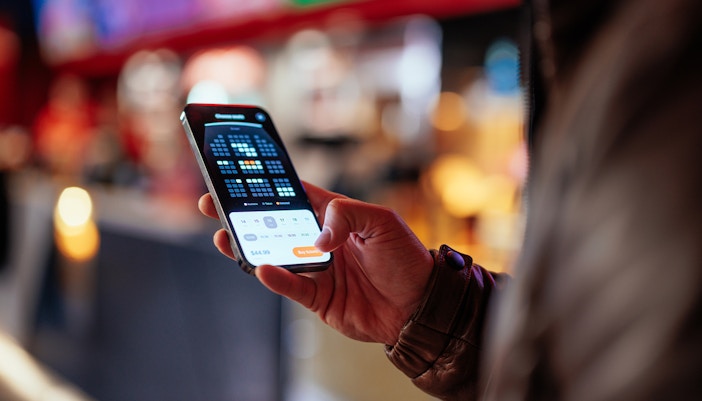
Yes, if you want Friday, Saturday, holiday dates, or central seating categories. Premium and better-centered seats usually disappear first, especially for the current production. Book BLINDED by DELIGHT Grand Show tickets before you finalize dinner plans.
No. The Grand Show is built to work visually, through choreography, music, lighting, and stage pictures rather than spoken plot. If you do not speak German, you will not feel locked out of the experience.
Aim to arrive when doors open, or at least 45 minutes before curtain. The biggest bottleneck comes in the final half-hour, when security, cloakroom, restroom, and bar lines all stack up at once. Check the Friedrichstadt-Palast's timings to make the most of your visit.
Yes. The venue offers wheelchair access, and staff are often praised for handling entry and seating smoothly. If you need the easiest arrival, choose an early entry window so security and foyer traffic are lighter. Refer to this guide to plan your visit to Friedrichstadt-Palast.